


- Home
- >
- News
- >
- Industry News
- >
News
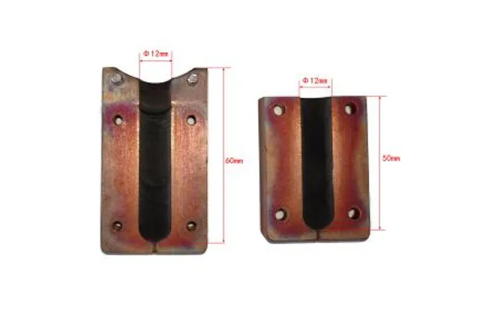
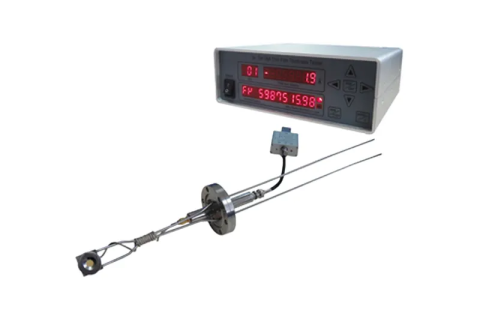
In the realm of advanced material science, the difference between a breakthrough and a failed experiment often lies in a few atomic layers. Whether you are working on Organic Light-Emitting Diodes (OLEDs), high-precision optical coatings, or next-generation semiconductor devices, the ability to monitor film growth in real-time is not just a luxury—it is a technical necessity.
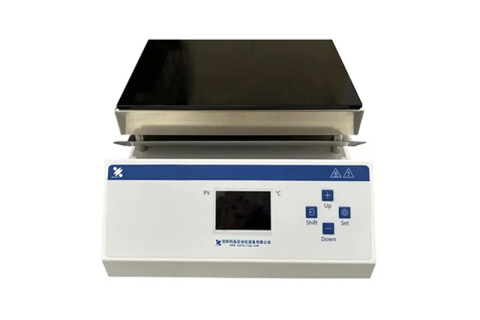
A DB Series Electric Heating Plate is a high-precision laboratory tool designed for large-batch sample digestion, evaporation, and constant temperature heating. By using PID temperature control and high-performance heating elements, a chemistry lab hot plate ensures ±1°C accuracy and uniform heat distribution, which is critical for consistent chemical reactions and analytical results.
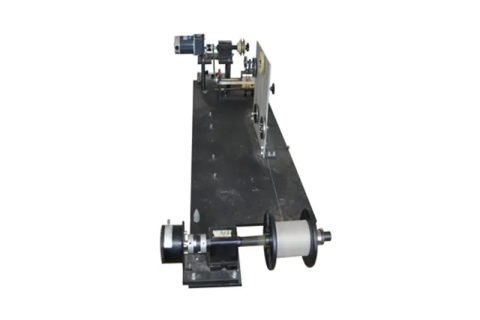
• Flexible Constant Tension Winding: The operator can precisely set the winding tension according to the selected diamond wire diameter and base material (such as high-carbon steel wire or tungsten wire). The damper ensures that the wire remains under constant, safe, and uniform tension throughout the winding process, regardless of changes in coil diameter.
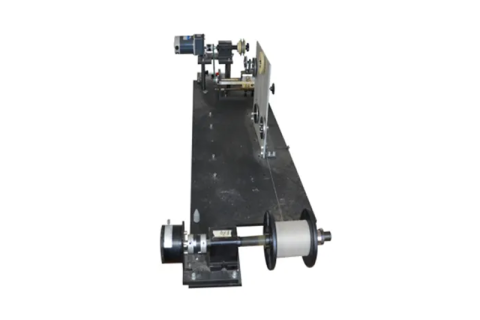
In the field of modern advanced materials science, diamond wire cutting technology has become the industry's recognized "gold standard" for machining thin sheets of materials such as silicon carbide semiconductor wafers with extremely high hardness and infrared optical crystals with extremely high fragility. Compared with traditional internal or external circular saws, diamond wire cutting has absolute advantages such as narrow kerf, low material loss, minimal surface damage, and low processing heat.
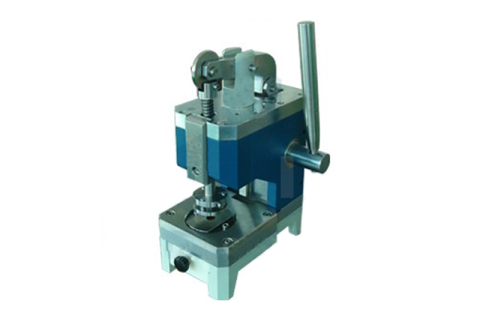
The Shenyang Kejing SYJ-T01 TEM sample sampling machine is specifically designed for preparing ductile metal and alloy thin sheets with a thickness ≤50μm. It allows for precise manual punching of standard φ3mm samples, resulting in burr-free and indentation-free edges. Compact in size and with customizable molds, it is an essential piece of equipment for high-quality TEM sample preparation in the laboratory.
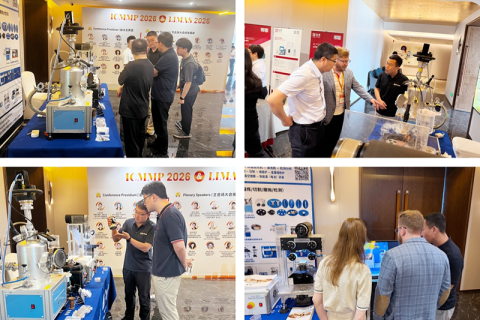
From May 15th to 17th, 2026, the International Conference on Metal Materials and Processing (ICMMP 2026) was successfully held in Chengdu. Co-hosted by Central South University and Hong Kong Polytechnic University, the conference brought together leading scholars and industry representatives from the global metal materials field. Shenyang Kejing, a leader in high-end materials preparation and precision machining, was invited to attend the conference, exchanging ideas and discussing new industry trends with industry peers.

From May 15th to 17th, 2026, the 3rd International Forum on Materials Artificial Intelligence and the Editorial Board Meeting of the Journal of Materials Informatics were successfully held. This conference brought together renowned experts in materials science and artificial intelligence from home and abroad to discuss new trends in AI-enabled materials research and development. Shenyang Kejing has made outstanding contributions to promoting the deep integration and innovative development of industry, academia, and research in the materials field, and was awarded the "Industry-University-Research Leading Award" at the conference.

From May 10th to 13th, 2026, the 9th Sino-European Symposium on Biomaterials in Regenerative Medicine (CESB 2026) was held in Beijing. As a highly influential international academic conference in the field of biomaterials in China and Europe, this conference attracted top experts and scholars from universities, research institutions, and medical organizations worldwide. Shenyang Kejing was invited to participate in the exhibition and presented cutting-edge comprehensive solutions for the preparation of medical hard tissue samples to researchers globally.
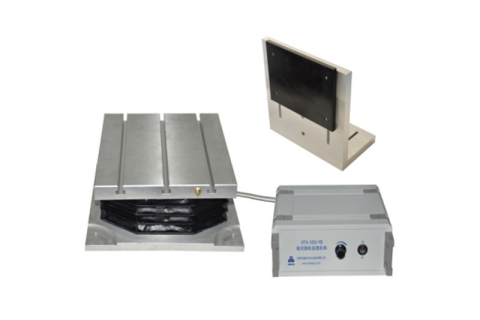
Are you currently facing the headache of severe "deep wire marks" in your laboratory? In the field of precision material processing, fully automatic diamond wire cutting machines have become standard equipment for both laboratories and production lines. However, when dealing with materials featuring large cross-sections and ultra-high hardness—such as Silicon Carbide (SiC), Sapphire, and Alumina Ceramics—or with composite materials prone to adhesion, traditional "fixed, vertical-feed" cutting methods often expose a series of critical physical bottlenecks:
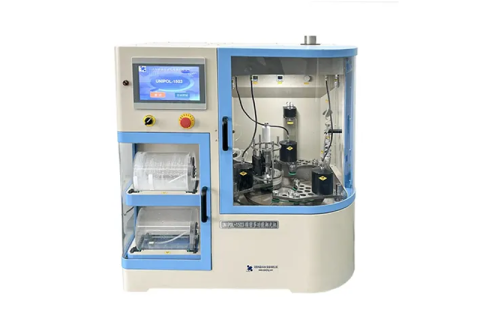
In the realms of modern materials science and industrial quality control, the accuracy of metallographic analysis, crystal structure studies, and semiconductor wafer inspection relies entirely on the preliminary stage of "sample preparation." However, many laboratories to this day continue to utilize traditional manual or semi-automatic grinding and polishing equipment.
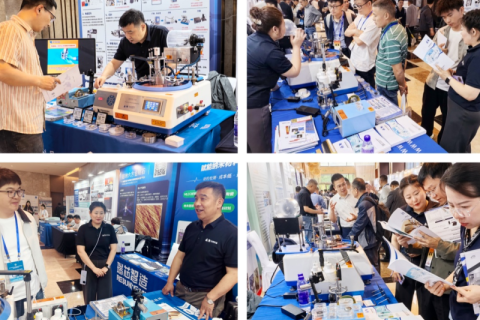
From April 14 to 16, 2026, the "High-End Grinding and Polishing Materials Conference & Forum on Ultra-Precision Processing of Semiconductor and Optical Materials" welcomed experts and key technical personnel from the materials processing sector across the globe.