


- Home
- >
- News
- >
- Industry News
- >
News

Polishing is a crucial process in surface treatment, especially for crystalline materials, metals, ceramics, and other hard, brittle materials. However, during polishing, several issues can arise, such as uneven surface quality, over-polishing, and pitting.
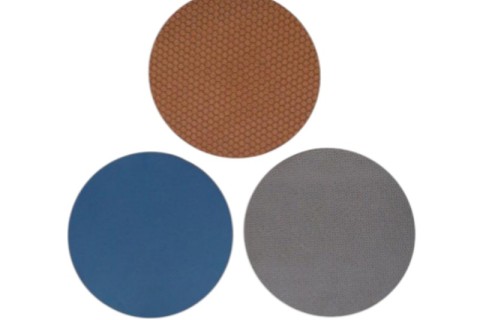
In precision manufacturing, stone processing, and hard or brittle material applications, the performance of grinding tools directly affects both productivity and finished surface quality. Compared with conventional grinding pads, magnetic resin diamond grinding pads stand out for their structural design and material advantages, making them a reliable choice for fine grinding and high-quality surface finishing.
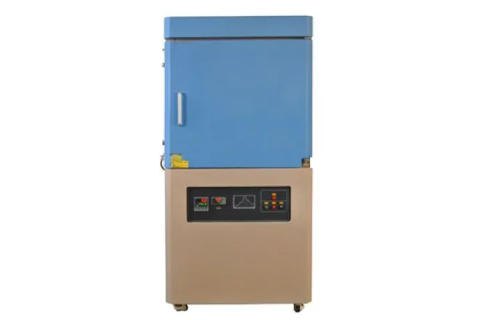
Are you searching for large-capacity, high-temperature sintering equipment for your laboratory? The Shenyang Kejing KSL-1700X-A5 High-Temperature Muffle Furnace offers an exceptionally large chamber with a volume of up to 125 liters and a maximum operating temperature reaching 1700°C. It features silicon-molybdenum rod heating elements, a 50-segment intelligent PID temperature control system, and a dual-layer air-cooling mechanism. This furnace is specifically designed for universities and research institutes requiring the sintering or melting of large-sized samples or batches of materials. CE certified, it ensures both safety and reliability.
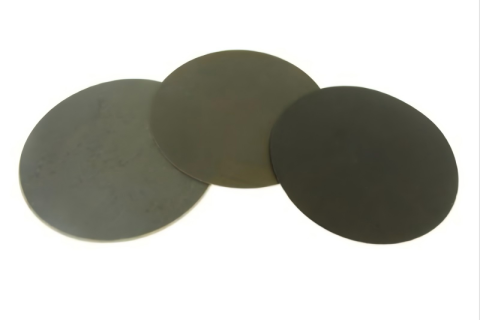
In metal, ceramic, composite materials, and laboratory sample preparation, sanding and polishing is a common and essential step. While the process may look simple, improper methods often lead to remaining scratches, uneven surfaces, low efficiency, or even sample damage.
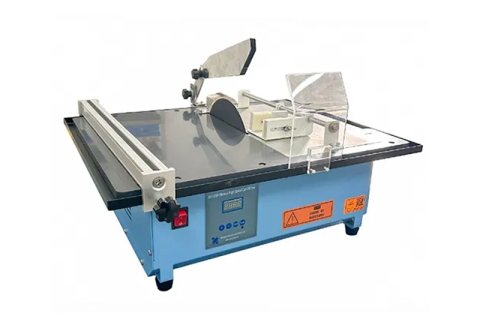
How do you tackle the first step of sample preparation? The Shenyang Kejing SYJ-200H Manual High-Speed Diamond Cutting Machine is designed specifically for the preliminary cutting of crystals, ceramics, rocks, metals, and composite materials in a laboratory setting. Featuring stepless speed control ranging from 100 to 2000 rpm, it is compatible with sintered diamond, electroplated diamond, and resin cutting blades. With its built-in cooling water tank—compact in size and corrosion-resistant—it enables the rapid sectioning and rough processing of large-format samples.
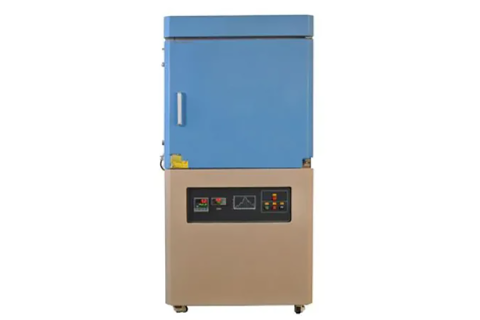
This High Temperature Box Furnace, with its ultra-large 125L capacity and a maximum temperature of 1700℃, is an industrial-grade laboratory furnace that is becoming a powerful tool for numerous university laboratories, research institutes, and industrial enterprises in overcoming the challenges of high-temperature material preparation.
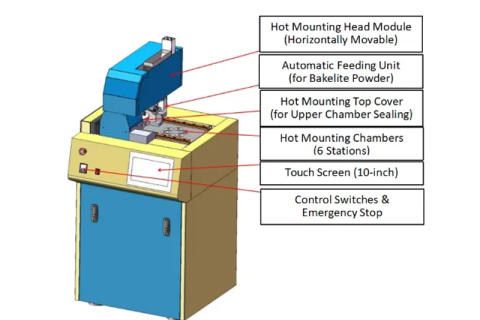
In materials science research, metal processing manufacturing, and third-party testing institutions, the preparation of metallographic samples is a crucial step before microscopic analysis. For many busy laboratories, sample mounting is often a bottleneck in efficiency. Traditional manual or single-station mounting machines are not only time-consuming but also highly dependent on the operator's skill, easily leading to inconsistent sample preparation quality and even rework in subsequent grinding and polishing steps due to human error.
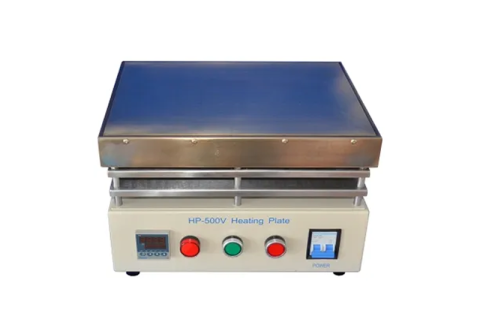
In the daily work of materials laboratories, we often face a tricky dilemma: the need to perform heat treatment or coating on ultra-thin samples (such as crystals, semiconductor wafers, and fuel cell substrates) in a high-temperature environment (300℃-500℃), but traditional mechanical fixing methods can easily cause stress damage.
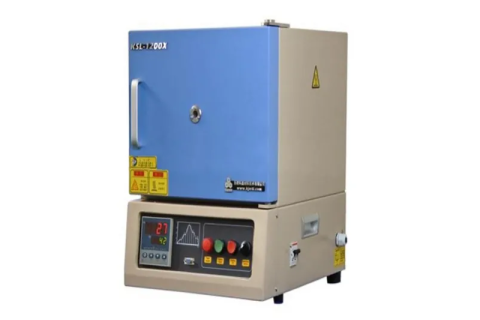
Is traditional high-temperature sintering limited to "blind firing"? Shenyang Kejing’s KSL-1200X Tabletop Box Furnace (7.2L) arrives to break the mold! Reaching a maximum temperature of 1200°C, it features a unique quartz observation window, a three-sided heating design, and a 50-segment intelligent PID temperature control system. Specifically engineered for metal annealing, ceramic sintering, and quality inspection applications in university and corporate laboratories, discover this CE-certified, high-efficiency muffle furnace today.
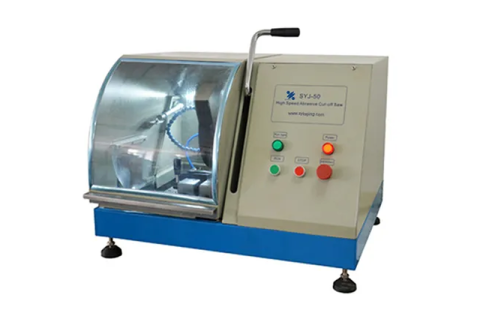
Are you looking for efficient and safe cutting equipment for laboratory metallographic sample preparation? The Shenyang Kejing SYJ-50 High-Speed Abrasive Cutter—equipped with a 2800 rpm spindle and a built-in water-cooling system—is specifically designed for the rapid sectioning of materials such as metals, ceramics, and resins. Its dual quick-release clamping system, combined with a side-mounted pressure lever, makes the pre-processing of irregularly shaped samples for metallographic analysis easier and more efficient than ever.
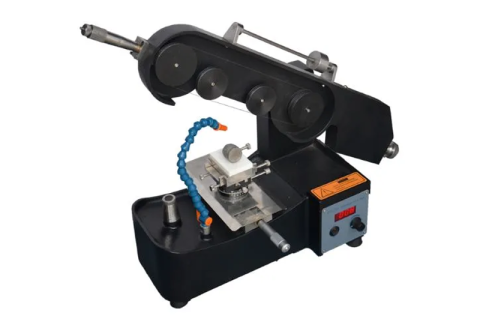
How can one achieve non-destructive cutting of fragile, brittle, and minute materials? The Shenyang Kejing STX-201 Continuous-Loop Precision Diamond Wire Saw employs high-speed, continuous-loop wire cutting technology. Equipped with Z-axis gravity feed and Y-axis micrometer-level precision control—and integrated with a 360° rotatable 2D goniometer fixture—this instrument is specifically engineered to meet the demanding research requirements associated with cutting crystals, ceramics, rocks, and biological bone samples containing implants.
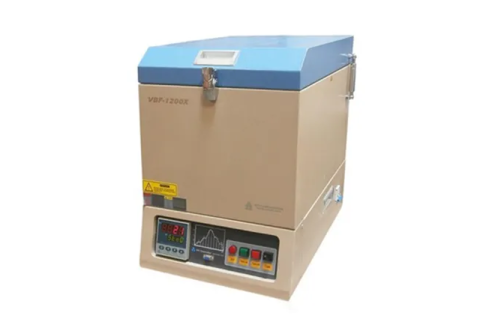
1. Pit-type resistance furnace. The pit-type resistance furnace is a cyclically operated furnace suitable for the heat treatment of bars and long shaft parts. It is mainly used for quenching, tempering, annealing and other heat treatment of steel parts in an oxidizing atmosphere.