


News
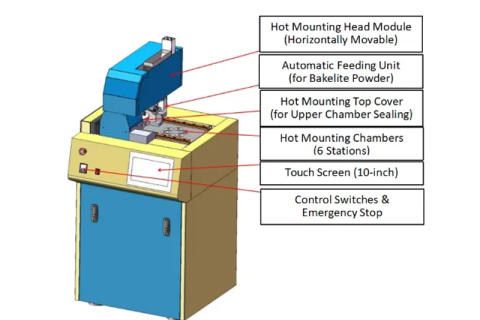
In materials science research, metal processing manufacturing, and third-party testing institutions, the preparation of metallographic samples is a crucial step before microscopic analysis. For many busy laboratories, sample mounting is often a bottleneck in efficiency. Traditional manual or single-station mounting machines are not only time-consuming but also highly dependent on the operator's skill, easily leading to inconsistent sample preparation quality and even rework in subsequent grinding and polishing steps due to human error.
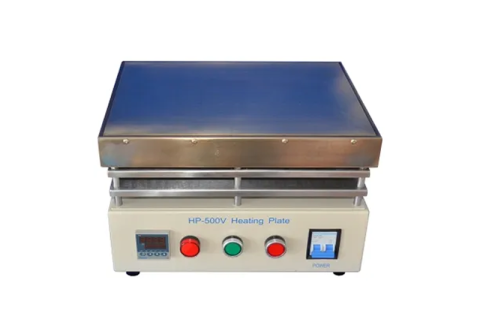
In the daily work of materials laboratories, we often face a tricky dilemma: the need to perform heat treatment or coating on ultra-thin samples (such as crystals, semiconductor wafers, and fuel cell substrates) in a high-temperature environment (300℃-500℃), but traditional mechanical fixing methods can easily cause stress damage.

Uniting Through Basketball, Embarking on a New Journey Through Hard Work | The 5th "Kejing Cup" Basketball Tournament Concludes Successfully.
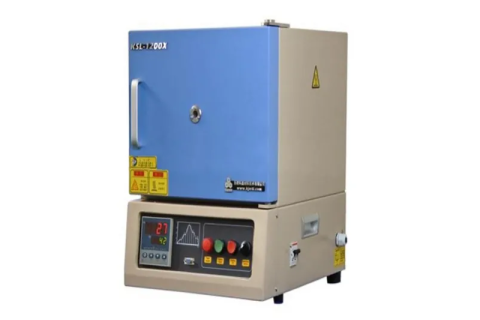
Is traditional high-temperature sintering limited to "blind firing"? Shenyang Kejing’s KSL-1200X Tabletop Box Furnace (7.2L) arrives to break the mold! Reaching a maximum temperature of 1200°C, it features a unique quartz observation window, a three-sided heating design, and a 50-segment intelligent PID temperature control system. Specifically engineered for metal annealing, ceramic sintering, and quality inspection applications in university and corporate laboratories, discover this CE-certified, high-efficiency muffle furnace today.
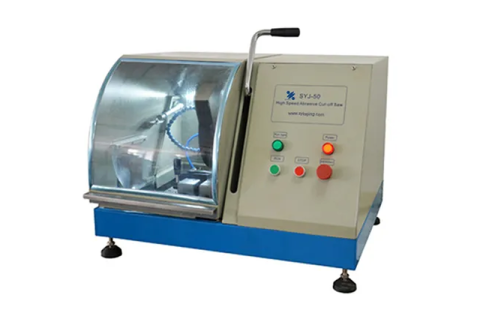
Are you looking for efficient and safe cutting equipment for laboratory metallographic sample preparation? The Shenyang Kejing SYJ-50 High-Speed Abrasive Cutter—equipped with a 2800 rpm spindle and a built-in water-cooling system—is specifically designed for the rapid sectioning of materials such as metals, ceramics, and resins. Its dual quick-release clamping system, combined with a side-mounted pressure lever, makes the pre-processing of irregularly shaped samples for metallographic analysis easier and more efficient than ever.
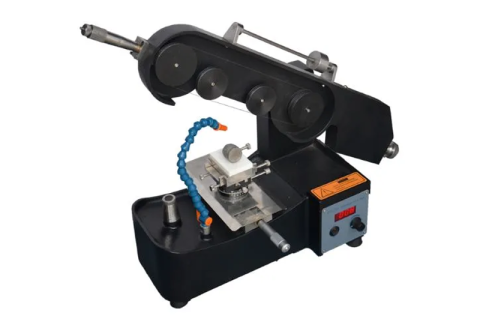
How can one achieve non-destructive cutting of fragile, brittle, and minute materials? The Shenyang Kejing STX-201 Continuous-Loop Precision Diamond Wire Saw employs high-speed, continuous-loop wire cutting technology. Equipped with Z-axis gravity feed and Y-axis micrometer-level precision control—and integrated with a 360° rotatable 2D goniometer fixture—this instrument is specifically engineered to meet the demanding research requirements associated with cutting crystals, ceramics, rocks, and biological bone samples containing implants.
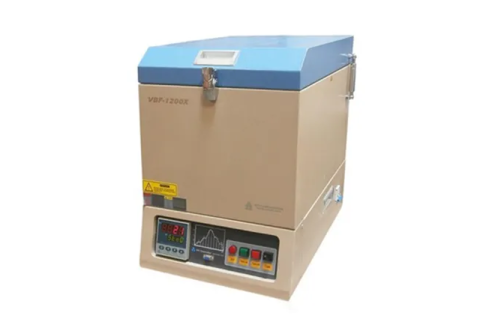
1. Pit-type resistance furnace. The pit-type resistance furnace is a cyclically operated furnace suitable for the heat treatment of bars and long shaft parts. It is mainly used for quenching, tempering, annealing and other heat treatment of steel parts in an oxidizing atmosphere.
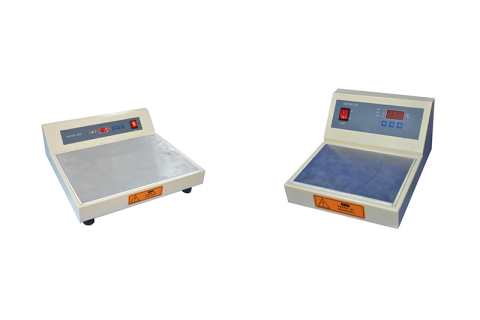
Are you looking for a laboratory heating plate that offers uniform heating and precise temperature control? The Shenyang Kejing HEATER Series—comprising the HEATER-250 and HEATER-3040 models—features an integral cast aluminum alloy heating plate and a core microcomputer-based temperature control system, achieving a precision of up to ±1°C. Characterized by rapid heating rates and high resistance to thermal shock, these units are specifically engineered for the precise heating, baking, and drying of temperature-sensitive materials such as crystals and semiconductors.
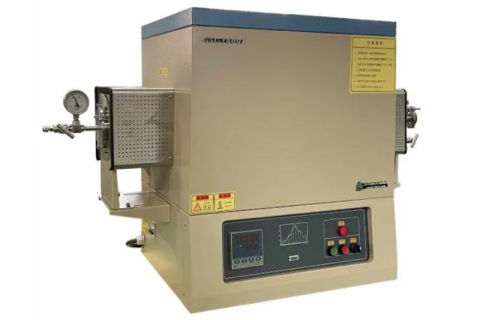
In laboratories, research facilities, and industrial settings, high-temperature heating equipment is essential for many heat treatment and materials research processes. The most common types of high-temperature furnaces are laboratory tube furnaces and box furnaces. They differ clearly in structure, heating method, sample suitability, temperature control, and application areas. Understanding these differences makes it easier to choose the right furnace for specific experimental needs.
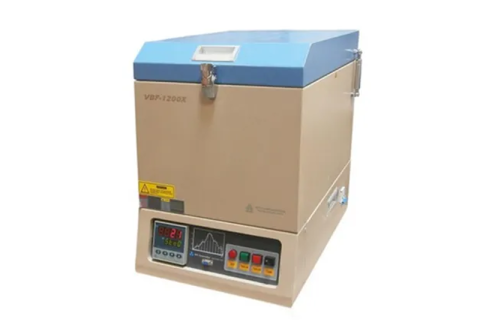
Common heating elements for a high temperature laboratory furnace include resistance wire, silicon carbide rods, and molybdenum disilicide rods. Each type has a different temperature tolerance, which directly affects the furnace’s safety and service life. To ensure long-term, stable operation, the recommended continuous working temperature is usually set lower than the element’s maximum temperature to avoid overheating and premature aging. When selecting a furnace, it is important to match the heating element and furnace specifications to both the required maximum temperature and the actual long-term operating temperature of the experiment.