


News
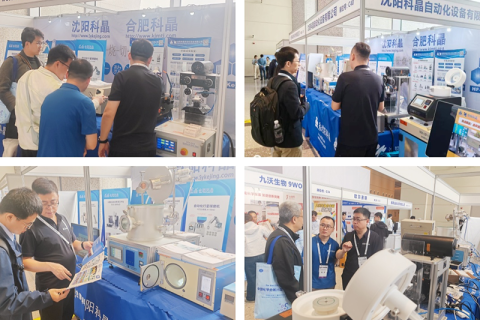
Shenyang Kejing was invited to participate in the 35th Annual Academic Conference of the Chinese Chemical Society, held in Chongqing, China. As one of the most influential academic events in China's fields of chemistry and materials science, this conference brought together experts and scholars from numerous top-tier universities and research institutions.
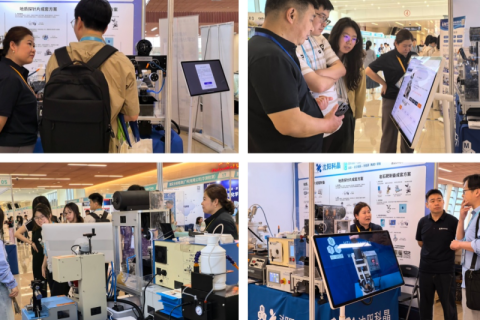
This year's forum was hosted by the Youth Geoscience Forum Council and jointly organized by the Guangzhou Institute of Geochemistry, Chinese Academy of Sciences (hereinafter referred to as "Guangzhou Institute of Geochemistry"), the South China Botanical Garden of the Chinese Academy of Sciences, and Sun Yat-sen University. The forum attracted more than 6,800 representatives from numerous universities and research institutes across the country in the field of geoscience.
From April 9 to 13, 2026, the "Young Ceramists Conference"—a highly anticipated event within the materials science community—was grandly held in Kunming, the "City of Eternal Spring." This conference focused on the latest developments and cutting-edge applications of advanced ceramic materials, bringing together a multitude of experts, scholars, and key young researchers from major universities, research institutes, and leading enterprises across the country.
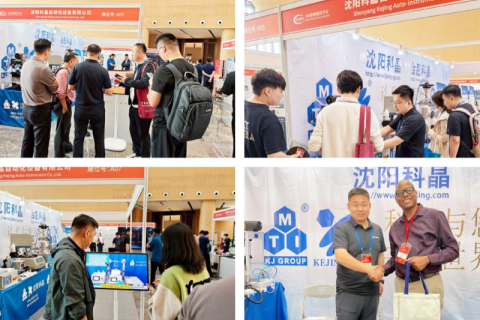
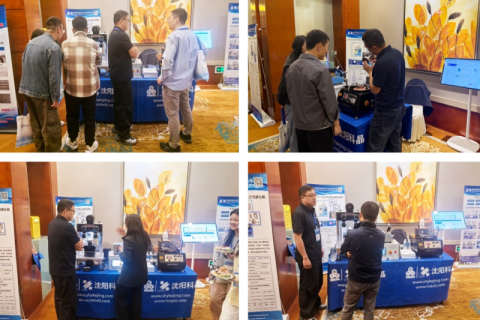
From April 9 to 12, 2026, the highly anticipated "AI + New Materials" Conference successfully concluded in Guangzhou. This conference focused on the deep integration of artificial intelligence and advanced materials science, bringing together the world's leading research institutions, corporate elites, and industry experts. As a veteran brand in the field of materials analysis equipment, Shenyang Kejing Auto-instrument Co., Ltd. was invited to exhibit, joining industry peers to celebrate this grand event and explore cutting-edge technologies and development trends.
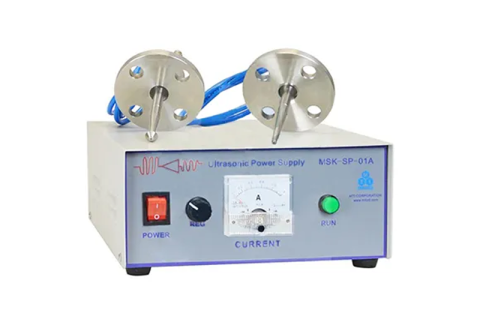
The industry is gradually shifting toward "spray coating" processes; however, not all spraying methods offer equal efficacy. Researchers are increasingly seeking a solution that can achieve "nanoscale uniformity" while avoiding the issues of particle agglomeration and material waste often associated with traditional pneumatic nozzles.
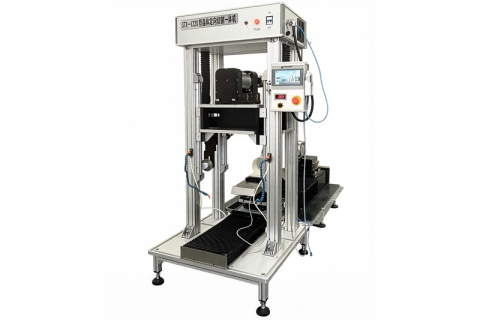
1. Precision Challenges in Materials Science: In the field of advanced materials research—particularly concerning wide-bandgap semiconductor materials such as Silicon Carbide (SiC) and Gallium Nitride (GaN)—crystal orientation is of decisive importance. Even a deviation of merely 0.1 degrees can lead to significant fluctuations in electron mobility, thermal conductivity, and the quality of epitaxial growth.
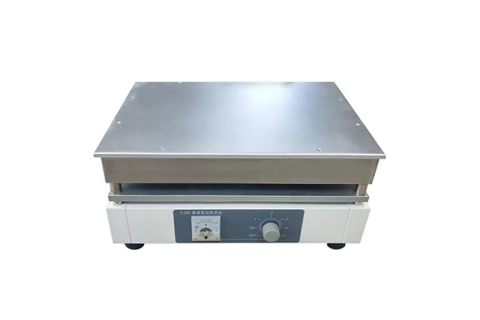
The Shenyang Kejing KJML Series Basic Laboratory Heating Plate features a fully enclosed cast steel heating zone design, ensuring enhanced safety by eliminating open flames. It supports stepless temperature adjustment, reaching a maximum temperature of 400°C. It is widely applicable for routine baking, drying, and heating for physical measurements of materials in laboratory settings. Robust, durable, and corrosion-resistant, it serves as an essential piece of foundational equipment for chemistry and materials science laboratories.
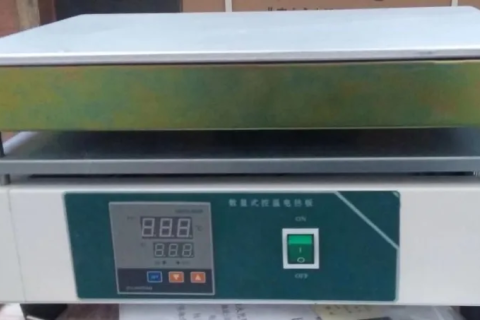
Are you searching for high-precision, constant-temperature heating equipment for your laboratory? The Shenyang Kejing KJML-DB Series Digital Heating Plate features precise PID microcomputer temperature control and an industrial-grade stainless steel surface, ensuring exceptional temperature uniformity with fluctuations limited to just ±2°C. Specifically designed for processing temperature-sensitive materials—such as crystals, semiconductors, and ceramics—this device meets the most rigorous laboratory requirements. Contact us today to learn more about product details and technical specifications.
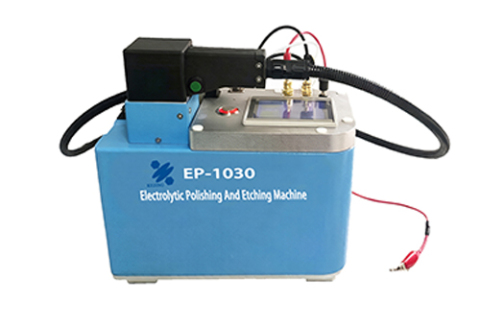
In the fields of materials science and metallography, the accuracy of microstructures observed under a microscope depends entirely on the quality of the preceding sample preparation. While traditional sandpaper grinding and mechanical polishing are widely practiced, they often introduce a critical drawback: a mechanically deformed layer.
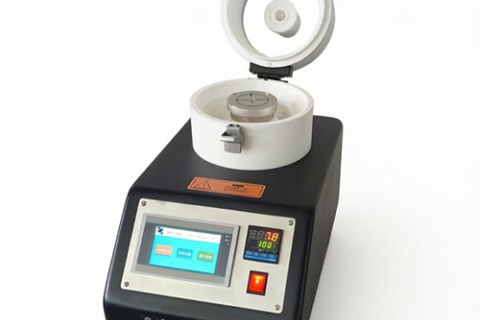
In the fields of modern materials science, semiconductor manufacturing, and optical engineering, the fabrication of highly uniform, defect-free thin films constitutes a critical stage within the entire R&D and production workflow. To meet the rigorous demands of cutting-edge research—specifically regarding film-forming environments, crystallization temperatures, and solution compatibility—the VTC-100PAD vacuum heating spin coater offers a comprehensive, efficient, and high-precision solution.