


Selection Guide for Laboratory Furnaces
2026-01-09 16:30Maximum Temperature and Continuous Operating Temperature:
Common heating elements for a high temperature laboratory furnace include resistance wire, silicon carbide rods, and molybdenum disilicide rods. Each type has a different temperature tolerance, which directly affects the furnace’s safety and service life. To ensure long-term, stable operation, the recommended continuous working temperature is usually set lower than the element’s maximum temperature to avoid overheating and premature aging. When selecting a furnace, it is important to match the heating element and furnace specifications to both the required maximum temperature and the actual long-term operating temperature of the experiment.
Sample Characteristics and Application Needs:
A high temperature laboratory furnace is used in a wide range of applications, such as material sintering, heat treatment, debinding, and alkali fusion. Different experiments place different demands on furnace design and performance, so selection should be based on the properties of the sample and the specific process. For example, sintering and heat treatment require good temperature uniformity, while debinding processes may need exhaust gas monitoring and collection. Choosing the right configuration for the application helps ensure reliable results and stable long-term operation.
Required Usable Volume:
Because the furnace chamber provides a stable and uniform heating environment, selection should focus on whether the internal space can accommodate the sample size, quantity, and loading arrangement. The key is to ensure that the samples can be placed properly within the chamber so they receive consistent and even heating throughout the process.
Chamber Structure:
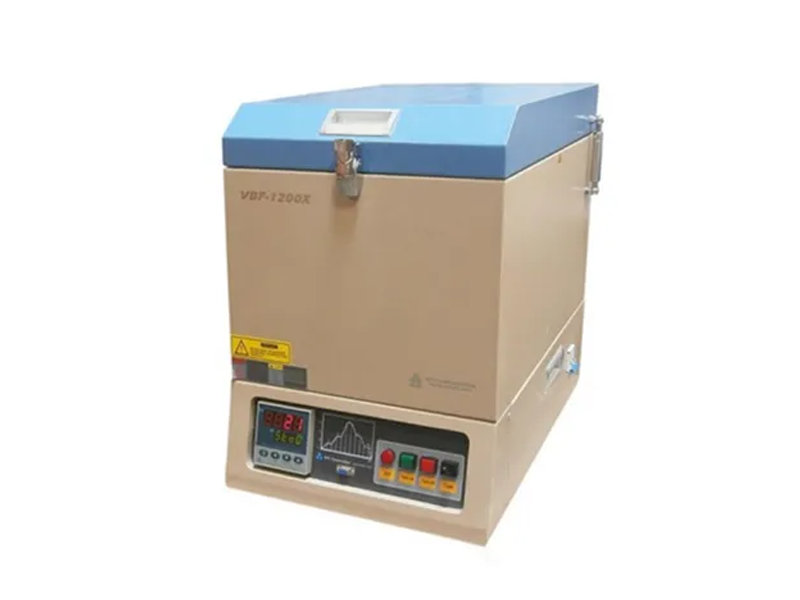
Heat inside a box furnace is mainly transferred through thermal radiation, creating a stable and uniform temperature field. Different chamber shapes make use of the heating space in different ways. A square chamber generally offers a larger uniform-temperature area, making it easier to use multi-layer sample racks and suitable for processing multiple samples at the same time.
Temperature Controller Selection:
The temperature controller is one of the most important factors when choosing a high temperature laboratory furnace. This furnace is equipped with a YD858P temperature controller using a PID automatic control system to deliver stable and accurate temperature regulation. It supports 50 programmable segments, allowing flexible control of heating, holding, and cooling profiles to meet various heat treatment needs. With a control accuracy of ±1°C, it is well suited for applications that require precise and reliable temperature control.
Operating Environment and Mobility:
When selecting a laboratory box furnace, the available lab space and operating conditions should be carefully considered. The furnace size should match the laboratory layout and ventilation conditions, while leaving enough space for safe operation. For labs where equipment needs to be moved frequently or where bench space is limited, a compact tabletop furnace is often a practical choice, offering easy handling while still meeting everyday experimental requirements.