


News
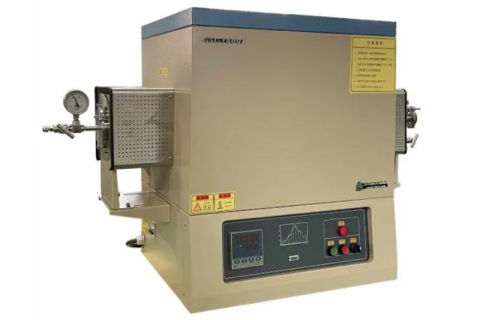
In laboratories, research facilities, and industrial settings, high-temperature heating equipment is essential for many heat treatment and materials research processes. The most common types of high-temperature furnaces are laboratory tube furnaces and box furnaces. They differ clearly in structure, heating method, sample suitability, temperature control, and application areas. Understanding these differences makes it easier to choose the right furnace for specific experimental needs.
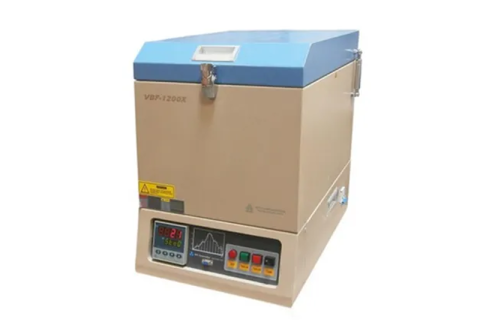
Common heating elements for a high temperature laboratory furnace include resistance wire, silicon carbide rods, and molybdenum disilicide rods. Each type has a different temperature tolerance, which directly affects the furnace’s safety and service life. To ensure long-term, stable operation, the recommended continuous working temperature is usually set lower than the element’s maximum temperature to avoid overheating and premature aging. When selecting a furnace, it is important to match the heating element and furnace specifications to both the required maximum temperature and the actual long-term operating temperature of the experiment.
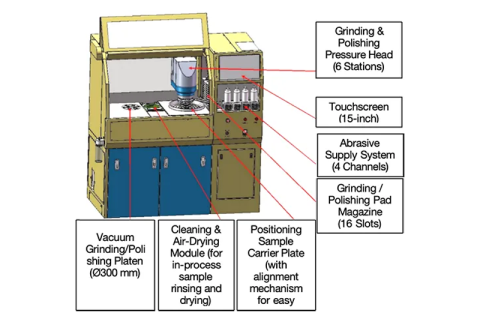
How can laboratories overcome the throughput bottleneck in metallographic sample preparation? The Shenyang Kejing UNIPOL-1220M Fully Automatic Metallographic Grinding and Polishing System integrates grinding, polishing, ultrasonic cleaning, and air drying into a single unit. It can process up to six samples simultaneously; its pneumatic single-point pressure mechanism ensures exceptional consistency, while a touchscreen interface enables one-touch operation. This system is custom-tailored for high-throughput materials R&D and industrial quality control applications.
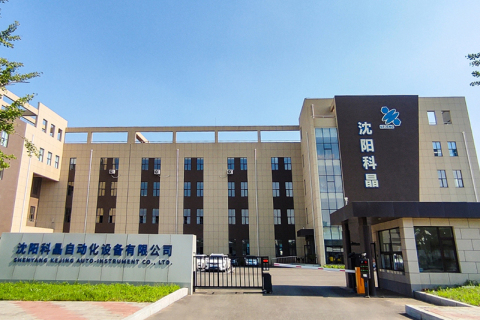
Shenyang Kejing Provides You with a "One-Stop" Scientific Research Equipment Solution: 【Complete Industry Chain Layout: Over 100 Products Covering the Entire Process】 Shenyang Kejing is not only a manufacturer of equipment, but also the chief designer of materials laboratories. Backed by over twenty years of technological expertise, we have built a complete product ecosystem rarely seen in the industry.
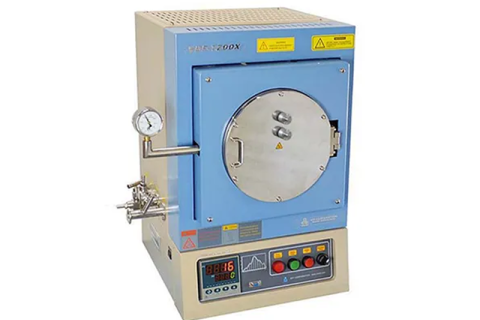
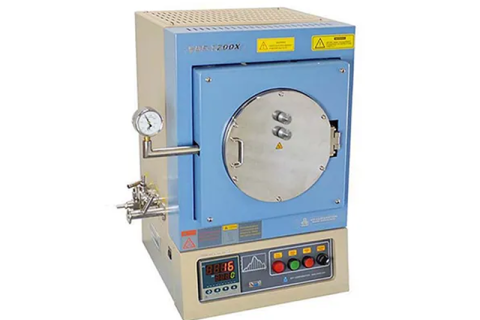
In materials science research and industrial production, laboratories often face a dilemma: choosing a tube furnace to obtain excellent atmosphere protection and vacuum environment, or choosing a box furnace to achieve sintering of large-sized or large-batch samples?
In the field of materials science, the success of an experiment depends not only on the performance of a single piece of equipment, but also on the compatibility and smoothness of the entire experimental process. As a veteran brand established in 2000, Shenyang Kejing understands the pain points of scientific researchers: they need not only to buy equipment, but also to buy the right solution.
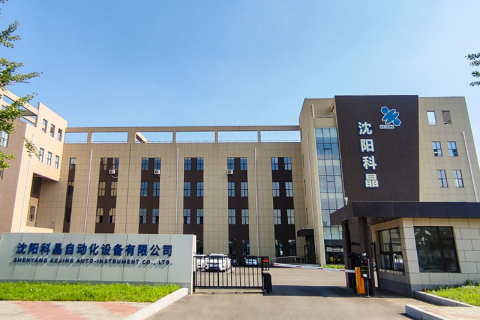
The story dates back to the late 1990s, a time when China was still struggling with a "reliance on imports and a technological gap" in the field of solid materials research and sample preparation equipment. Faced with the shortcomings of domestic research conditions, Dr. Jiang Xiaoping, a graduate of the Massachusetts Institute of Technology (MIT), returned to China with a vision of "serving the country through industry," resolutely giving up his advantageous position abroad to prepare for entrepreneurship as a postdoctoral researcher.
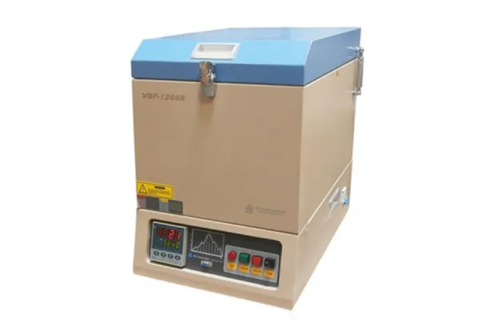
A Box Furnace is a common industrial heating device, typically used for heating materials such as metals, glass, and ceramics. In daily operation, it is necessary to calculate the power consumption of a Box Furnace in order to reasonably allocate electrical resources and control production costs. In this article, we will introduce the relevant formulas and methods for calculating the power consumption of a Box Furnace, hoping to provide helpful guidance.

Many people find it difficult to distinguish between a vibratory sander and a polishing machine. At first glance, both are used to treat the surface texture of materials, but in fact, the two types of equipment differ fundamentally in working principles, processing results, and application scenarios.

The streets outside are already adorned with red and green lights, and the cheerful melody of "Jingle Bells" is beginning to echo throughout the city. As this Christmas season, a time of reunion, celebration, and rest, approaches, Shenyang Kejing wants to offer more than just a simple "Happy Holidays."