

Practical Application Areas for Small Tube Furnaces (3)
2026-07-24 17:10Horizontal and Vertical Operation
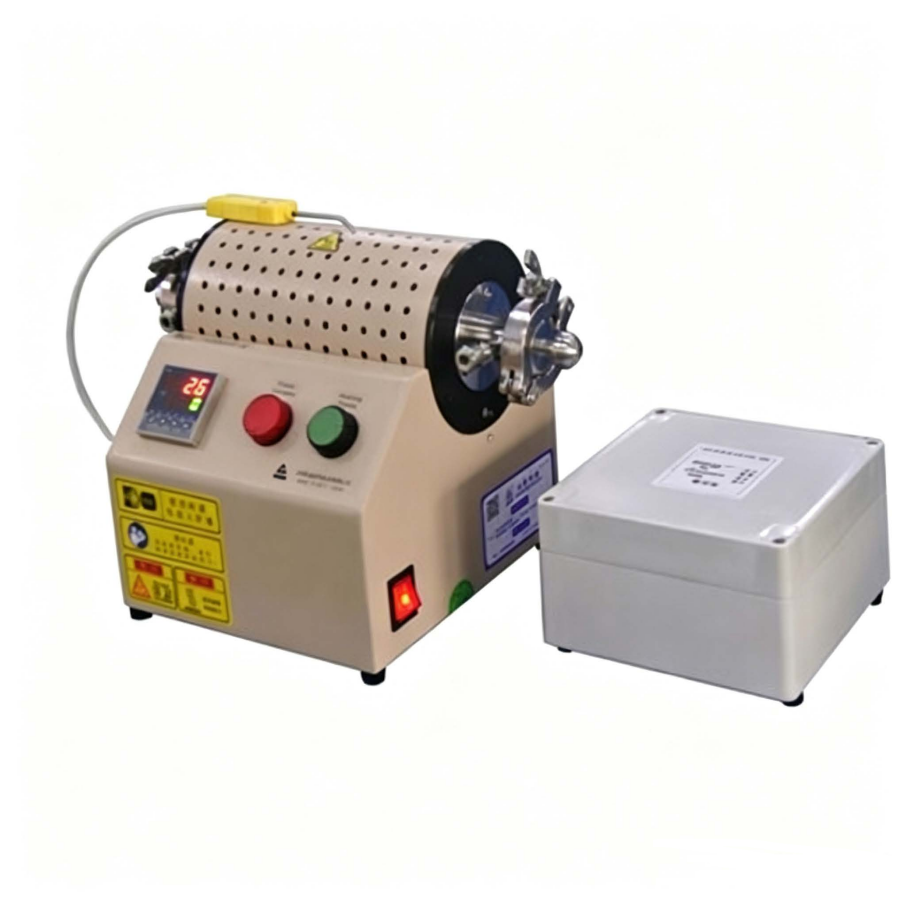
Most tube furnaces are horizontally positioned because the sample boat can slide into the furnace tube, and gas can easily flow from one end to the other. Horizontal operation is suitable for general heat treatment, powder calcination, vacuum annealing, and many gas reaction experiments.
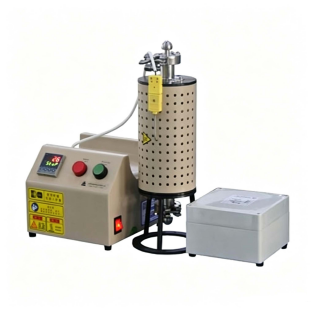
Vertical operation offers a variety of possibilities. Gravity can hold particles in small supports, aiding in downward transport, or allow wires, fibers, or rods to pass through the high-temperature zone. It also helps separate condensed byproducts from the sample area. Flanges, sample supports, and vacuum tubing must be mechanically supported to prevent the quartz tube from being subjected to unexpected loads.
The adjustable orientation means that one furnace can support a variety of research setups. However, this does not mean that all accessories are safe to use in all positions. Pumps, pressure gauges, oil mist filters, and valves may have orientation requirements and should be checked before installation.
Temperature Control and Heating Performance
The furnace uses automatic PID control with self-tuning capabilities and can be set with up to 30 programmable segments. Users can create controllable heating profiles, holding times, and cooling sequences. Over-temperature alarms and thermocouple failure alarms provide additional operational protection.
The heating element is a molybdenum-doped iron-chromium-aluminum alloy resistance wire. The maximum temperature is 1000°C for less than one hour; the recommended continuous operating temperature is 900°C. Operating within the recommended range helps extend the lifespan of the heating element and insulation materials.
The controller system listed in the datasheet has a control accuracy of ±1°C. This refers to the control accuracy at the measurement point and does not guarantee temperature uniformity throughout the tube. The effective isothermal zone is approximately 20 mm, therefore samples should be carefully centered.
Vacuum and Controlled Atmosphere Device: The front flange uses a manual screw quick-lock and has a KF25 interface. The rear flange is bolt-sealed and has a G1/8 port. These interfaces can be used for vacuuming, gas introduction, pressure measurement, or other compatible accessories.
For inert gas handling, the quartz tube can be evacuated and filled with argon or nitrogen. Multiple purging cycles can be performed to reduce residual oxygen. Gas supplied from the cylinder must be passed through a suitable pressure reducing valve. The relative pressure inside the quartz tube must be maintained below 0.02 MPa.
Unless the process flow is specifically designed for sealed operation, neither the inlet nor outlet valves must be closed during heating. Pressure must be continuously monitored, and if the pressure approaches the safety limit, the outlet valve must be opened immediately. The quartz tube may rupture violently under overpressure.
Installation and Daily Operation: The furnace dimensions are approximately 210 × 220 × 230 mm, and the weight is approximately 10 kg. This makes it easy to place on a space-constrained workbench or integrate into a modular experimental platform. The laboratory must still provide heat-resistant surfaces, adequate ventilation, easy access to both flanges, and secure electrical and vacuum wiring.
Before each run, inspect the quartz tube for nicks, scratches, cloudiness, or contamination. Inspect the O-rings and sealing surfaces, ensure the clamps and bolts are secure, and verify the tube plug is correctly positioned. When assembling a new configuration, perform a low-risk no-load run first.
After processing, allow the tube and sample to cool to a safe temperature before opening the flanges. Rapid exposure of hot quartz to cold air or contact with cold objects can cause thermal shock. Clean the tubes using methods compatible with deposits and quartz.
Small furnaces are not the best choice.
Small furnaces should not be chosen simply because of their small size. They are unsuitable when sample length exceeds the effective heating zone length, sample boats cannot fit into a furnace body with a 17 mm inner diameter, large gas volumes are required, or the research demands a wide, uniform temperature range. Furthermore, they are not suitable for production-scale batch production.
In these cases, 50 mm research furnaces, long-zone furnaces, multi-zone furnaces, or large-diameter systems may be more appropriate. The most effective equipment is the one that matches the process, not necessarily the smallest or largest model.
Why choose to partner with Shenyang Kejing?
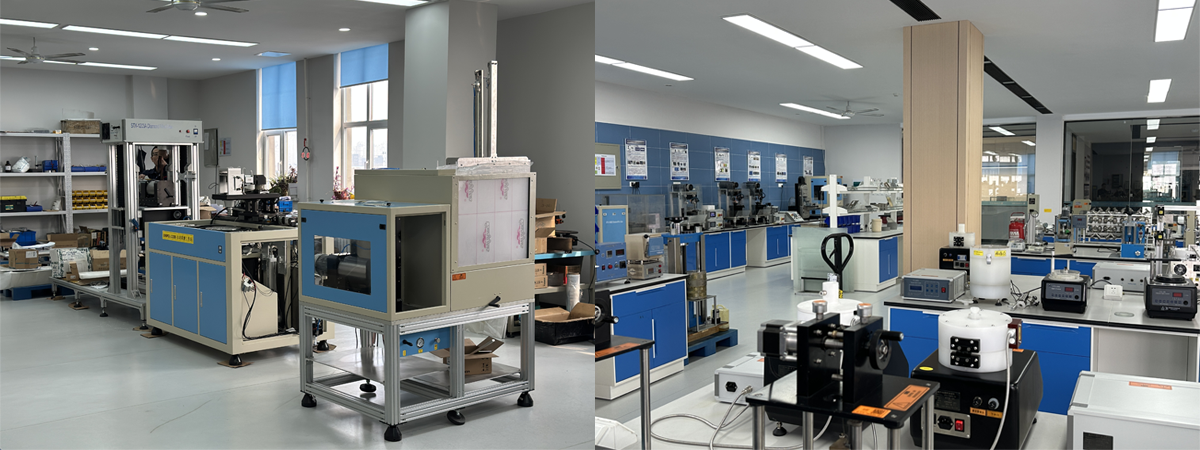
Shenyang Kejing develops laboratory equipment for material preparation, heat treatment, coating, cutting, polishing, and related research processes. The GSL-1000X-S, with appropriate modifications, can be configured for vacuum operation, controlled atmosphere, horizontal or vertical placement, and can be integrated with a glove box.
The company also offers compatible vacuum pumps, including mechanical and molecular pumps, as well as flanges, valves, bellows, pressure control accessories, and other supporting components. Pre-purchase technical communication helps confirm pipe diameter, sample size, orientation, power conditions, and gas or vacuum requirements.
The furnace is CE certified; UL or CSA certification requires an additional fee. Standard delivery time is approximately ten business days, depending on the final configuration. The product comes with a one-year warranty and lifetime maintenance; the quartz tube, heating element, and crucible are consumables.
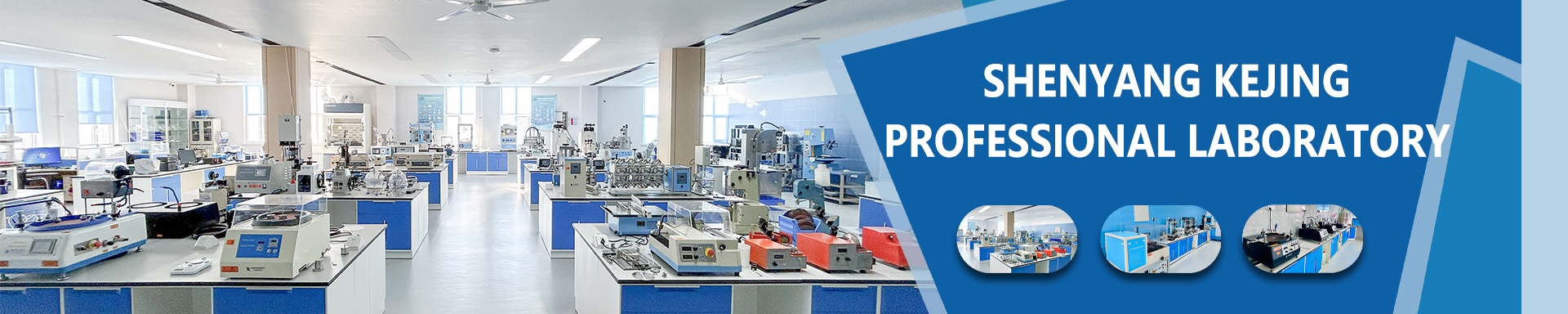
Shenyang Kejing also has an in-house laboratory for application testing. Buyers developing new processes can discuss sample characteristics with Kejing and evaluate test results, where appropriate, before finalizing equipment selection. This is particularly useful for micro-furnaces, as sample positioning and fixture design significantly impact performance.