


Practical Application Areas for Small Tube Furnaces (2)
2026-07-24 17:054. Gas Analysis and Sensor Research
Gas sensors, catalyst sensors, ceramic elements, and functional thin films are typically tested under controlled gas flow heating conditions. Small tube furnaces can create a localized high-temperature environment around the sensing element while keeping wiring, gas connections, and measuring equipment outside the high-temperature zone.
A 20 mm quartz tube offers good optical visibility and a relatively small internal volume. This reduces the amount of test gas required to change the atmosphere around the sample. Faster gas exchange rates are beneficial for comparing sensor responses to different concentrations, but the specific exchange time depends on factors such as flow rate, quartz tube volume, fixtures, and downstream constraints.
To accurately measure the gas response, the temperature of the sensing element needs to be measured or calibrated individually. The furnace controller regulates the temperature of the heating chamber, but the actual temperature of the element may vary due to factors such as wire conduction, gas flow, radiation, and sample mounting. Therefore, a dedicated thermocouple or a calibrated resistance method may be necessary.
5. Vacuum Annealing of Small Elements
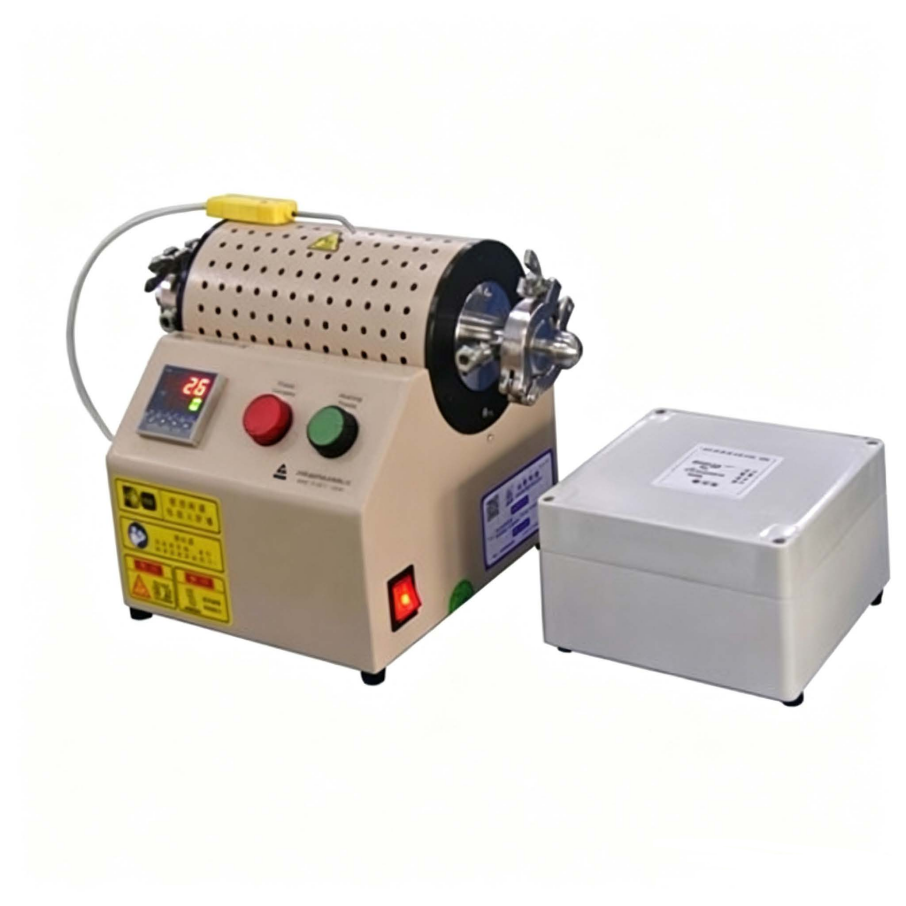
Small tube furnaces are equipped with stainless steel sealed flanges and KF25 interfaces for direct connection to vacuum systems. Under suitable conditions, conventional mechanical pumps can achieve vacuum levels of approximately 20 mTorr, while turbomolecular pump systems can achieve approximately 10⁻⁵ Torr. This is suitable for vacuum annealing of fine metal wires, foils, contacts, powder samples, and micro-components.
Vacuum annealing can reduce oxidation, remove adsorbates, release stress, and alter microstructure. Due to the small sample volume, compact furnaces can achieve the required processing conditions without heating large chambers. The thin tubing design also reduces the vacuum volume, and, provided the system is clean and well-sealed, can shorten evacuation time.
Vacuum performance is affected by factors such as O-ring condition, flange alignment, pump oil, tubing cleanliness, sample degassing, and the suitability of valves and bellows. The nominal ultimate pressure describes the pumping configuration, not the pressure guaranteed for each heating cycle. Degassing typically increases with increasing sample and tubing temperatures.
6. Powder Screening and Phase Formation Studies
Materials development projects often compare multiple formulations, ultimately selecting one for large-scale production. Each formulation may require only a few grams or even less. Small furnaces are ideal for screening because they can operate on small batches with lower energy consumption and a smaller footprint.
Researchers can utilize programmable heating programs and holding stages to study phase formation, decomposition, crystallization, or oxidation processes. Small quartz or alumina boats can be placed within the isothermal zone. Alumina fiber plugs at both ends of the tube help reduce radiation loss and should be installed before heating.
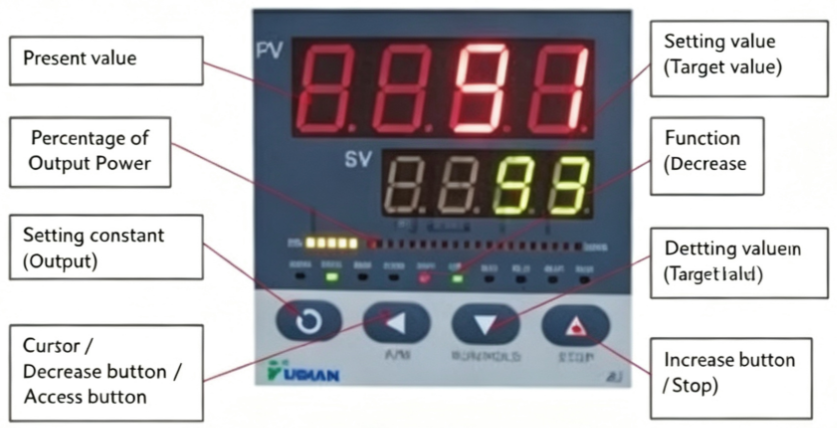
Sample packing consistency is crucial when comparing multiple samples. The same sample boat type, sample mass, bed depth, position, gas flow rate, and heating program should be used. Microsystems can provide good repeatability when these variables are controlled, but their shorter, more uniform heating zone makes sample positioning more critical than in furnaces with longer heating zones.