


- Home
- >
News
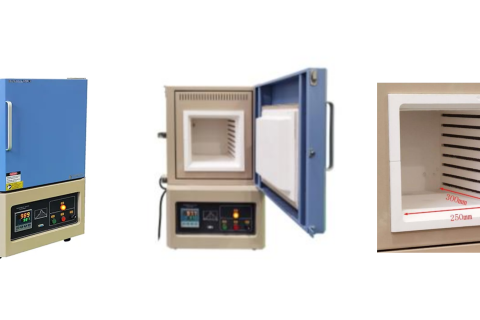
In our production facility in Shenyang, China, we see a wide variety of custom requests. Some research teams need to integrate their laboratory box furnace inside a glovebox, while others require specialized gas feeding ports for inert atmosphere sintering.
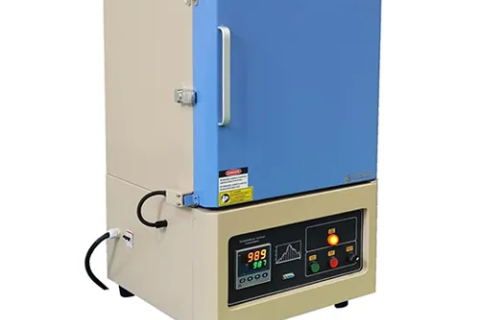
A laboratory box furnace provides uniform high-temperature heating, precise atmosphere control, and programmable thermal cycles for sintering, annealing, and material testing. Many advanced materials research facilities and industrial quality control departments rely on a lab box furnace to achieve consistent heat treatment under controlled thermal environments.
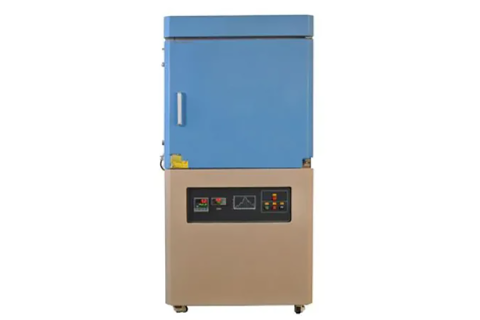
This High Temperature Box Furnace, with its ultra-large 125L capacity and a maximum temperature of 1700℃, is an industrial-grade laboratory furnace that is becoming a powerful tool for numerous university laboratories, research institutes, and industrial enterprises in overcoming the challenges of high-temperature material preparation.
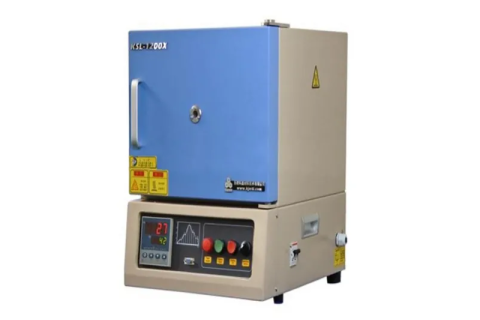
Is traditional high-temperature sintering limited to "blind firing"? Shenyang Kejing’s KSL-1200X Tabletop Box Furnace (7.2L) arrives to break the mold! Reaching a maximum temperature of 1200°C, it features a unique quartz observation window, a three-sided heating design, and a 50-segment intelligent PID temperature control system. Specifically engineered for metal annealing, ceramic sintering, and quality inspection applications in university and corporate laboratories, discover this CE-certified, high-efficiency muffle furnace today.
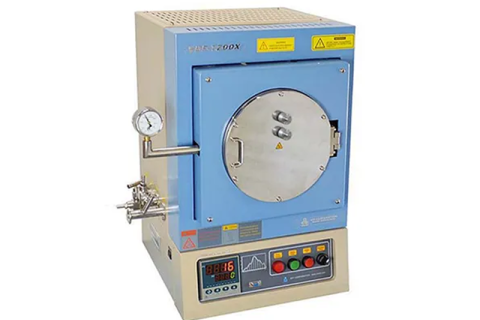
In materials science research and industrial production, laboratories often face a dilemma: choosing a tube furnace to obtain excellent atmosphere protection and vacuum environment, or choosing a box furnace to achieve sintering of large-sized or large-batch samples?
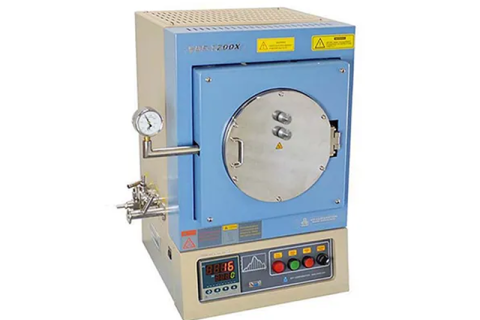
In the field of materials science, the success of an experiment depends not only on the performance of a single piece of equipment, but also on the compatibility and smoothness of the entire experimental process. As a veteran brand established in 2000, Shenyang Kejing understands the pain points of scientific researchers: they need not only to buy equipment, but also to buy the right solution.
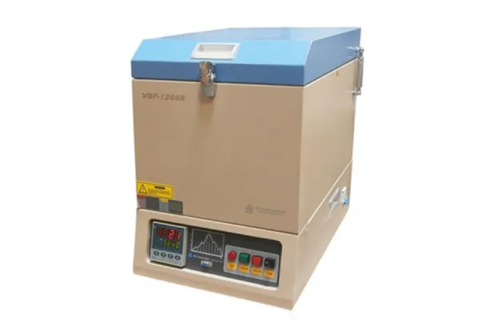
A Box Furnace is a common industrial heating device, typically used for heating materials such as metals, glass, and ceramics. In daily operation, it is necessary to calculate the power consumption of a Box Furnace in order to reasonably allocate electrical resources and control production costs. In this article, we will introduce the relevant formulas and methods for calculating the power consumption of a Box Furnace, hoping to provide helpful guidance.
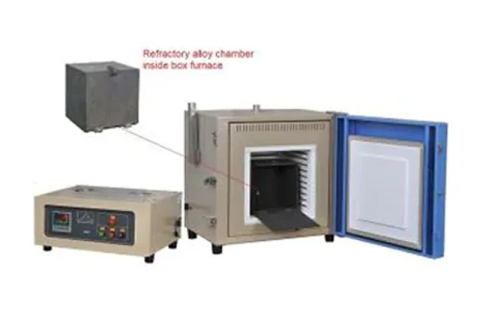
A Box Furnace is widely used in scientific research, industrial heating, and material processing. It is known for its excellent temperature uniformity, stability, reliability, and ease of operation, making it an important tool across many industries. In this article, I will provide a detailed guide on how to properly use a Box Furnace, hoping it will be helpful to you.
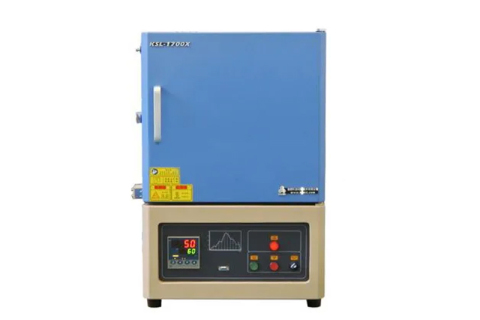
An box furnace is a heating device commonly used in laboratories and industrial fields, mainly for high-temperature treatment of experimental materials. Because the operation of an electric box furnace involves high temperatures, electricity, and mechanical components, certain risks exist during use. In this article, we will thoroughly analyze the potential risks associated with operating an electric box furnace and propose corresponding risk-mitigation measures.
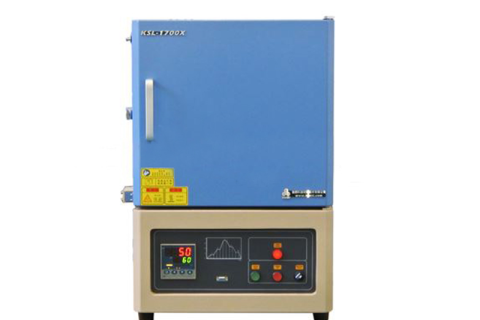
A laboratory box furnace is primarily used for high temperature sintering, metal annealing, quality inspection, and similar applications in universities, research institutes, and industrial enterprises. Its core principle involves generating heat by passing an electric current through heating elements, creating a uniform high temperature environment within an enclosed chamber lined with refractory materials, thereby meeting various heat treatment needs.
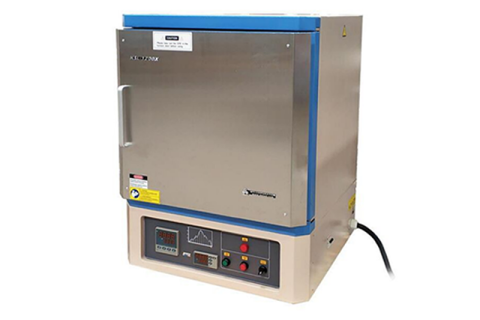
The maximum temperature of our high efficiency box furnace can reach 1200℃, which can meet the needs of long-term operation.
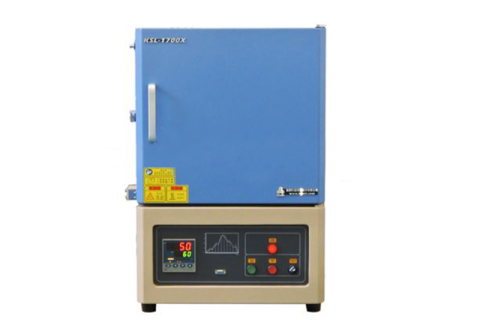
This gives small box furnace a certain advantage in some applications with strict temperature requirements, such as annealing of high melting point metals.