

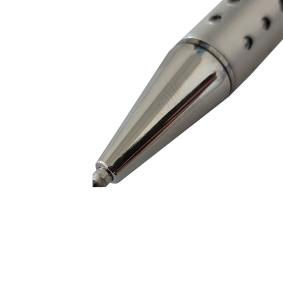
Diamond cutting point
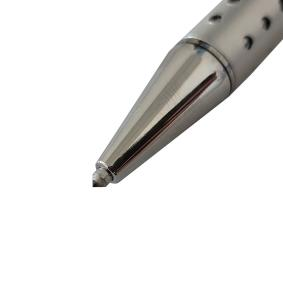
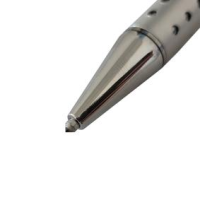
A diamond is embedded at the tip to create a hard, concentrated contact point for controlled manual scoring.
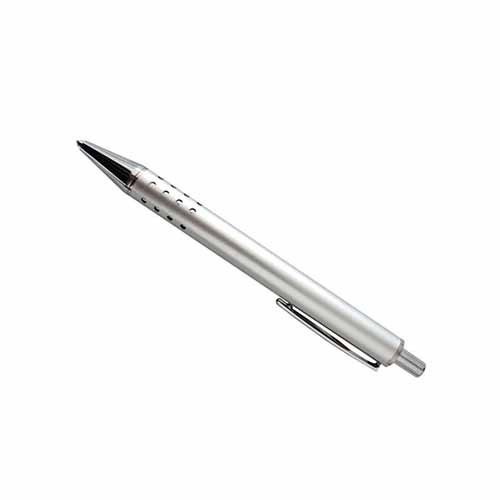
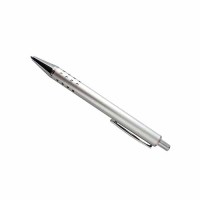
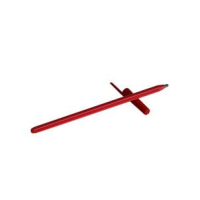
1. A compact, pen-style diamond scriber for manually scoring small quantities of thin single-crystal substrates, thin glass and other laboratory samples.
2. The embedded diamond tip provides a concentrated contact point, while the stainless steel body supports convenient handling, portability and repeated laboratory use.
The SYJ-01DS Diamond Scriber, formerly identified as the DS-01, is designed for laboratory users who need a simple hand tool for preliminary processing or marking. It can be used to score limited quantities of thin monocrystalline substrates such as silicon, germanium, lithium niobate and lithium tantalate. It is also intended for thin glass and for making visible reference marks on glass, wafers, crystals and metal samples.
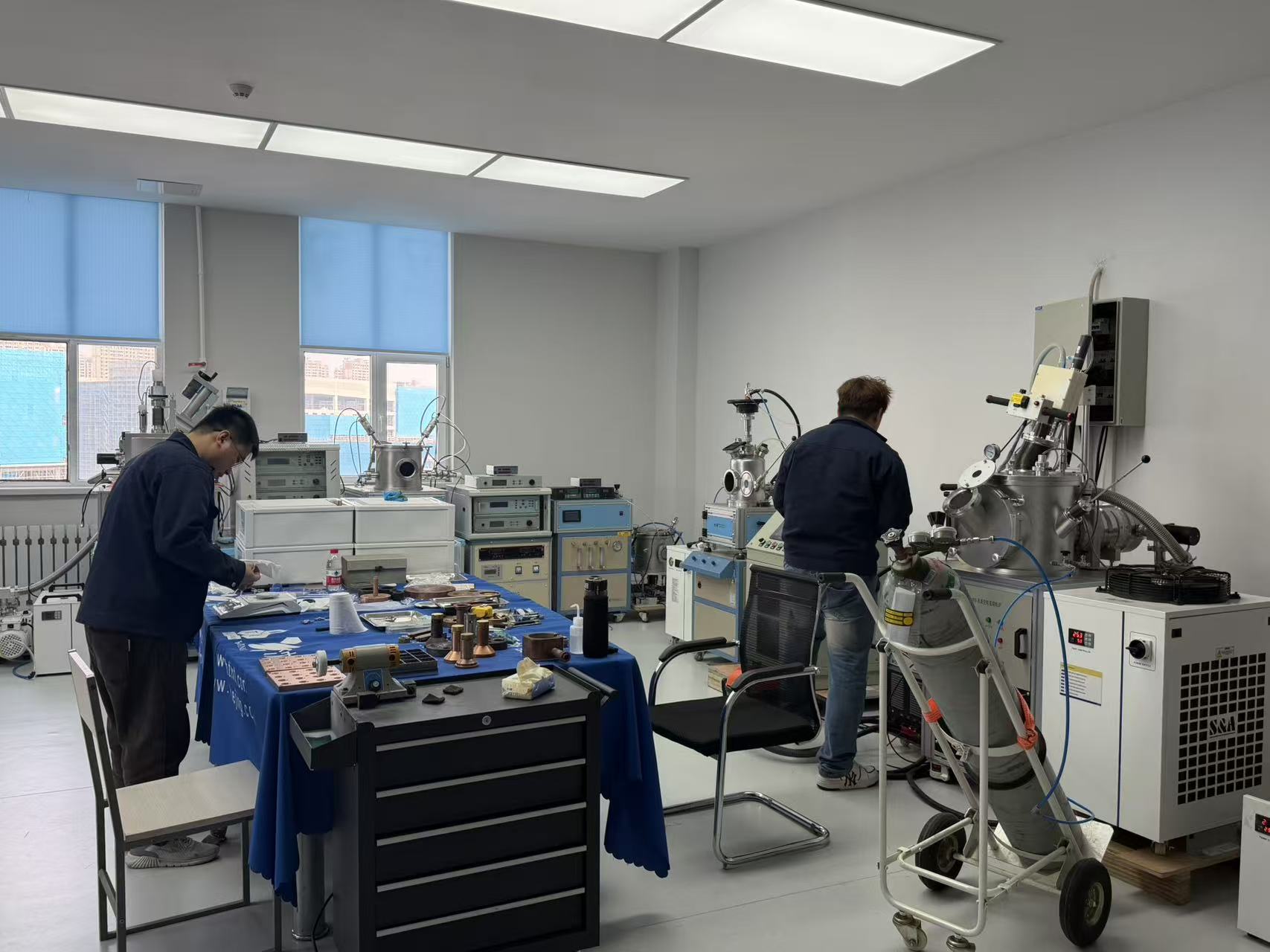
A diamond is embedded at the tip to create a hard, concentrated contact point for controlled manual scoring.
The familiar pen-like body supports direct hand control and makes the tool convenient for occasional laboratory tasks.
The stainless steel body is durable and corrosion resistant under normal dry laboratory handling and storage conditions.
Well suited to occasional scoring, sample preparation, positioning marks and exploratory work on a limited number of pieces.
Applicable to specified semiconductor wafers, thin glass, crystal substrates and sample marking on some metals.
The compact format is easy to keep near a sample preparation bench or carry between laboratory work areas.
| Product model | SYJ-01DS |
|---|---|
| Previous model | DS-01 |
| Product type | Handheld diamond scriber / diamond scribing pen / Precision diamond engraving pen |
| Tip | Embedded diamond cutting point |
| Body material | Stainless steel |
| Operating method | Manual scoring and marking |
| Specified wafer materials | Silicon, germanium, lithium niobate and lithium tantalate |
| Other specified uses | Thin glass scoring; marking glass, wafers, germanium, crystals and metal samples |
| Recommended work scale | Small quantities of thin samples and preliminary laboratory processing |
| Supply scope | Confirm the scriber, protective packaging and any accessories in the formal quotation |
The source specification does not state overall length, tip angle, diamond grade, maximum sample thickness or a replacement-tip configuration. Confirm any required values before ordering.
Create a manual score line on suitable thin silicon pieces during small-scale sample preparation.
Score or mark thin germanium samples when the process does not require automated dicing.
Support preliminary work on thin lithium niobate and lithium tantalate single-crystal substrates.
Produce a guide score on thin glass before controlled separation using an appropriate technique.
Add identification or positioning marks to selected crystal samples for research workflow control.
Create reference marks on suitable metal samples where a fine manual scribe is acceptable.
Actual results depend on material properties, thickness, surface condition, support method, applied force and operator technique. Test on a non-critical sample first.
Clean the sample and place it on a flat, stable, non-slip support appropriate for the material.
Use a suitable straightedge or fixture when a controlled path is required. Keep fingers away from the scoring direction.
Hold the scriber steadily and test the angle and pressure on a spare area or non-critical sample.
Draw the tip along the planned path with consistent pressure. Repeated heavy passes may increase chipping or surface damage.
Check the line under suitable lighting or magnification. If separation is required, use a method appropriate for the brittle sample.
Small quantities, thin samples, quick reference marks, preliminary processing and situations where manual control is acceptable.
High throughput, repeatable dimensions, complex paths, controlled cutting depth or strict edge-quality requirements.
Discuss unusually thick, hard, coated, fragile, hazardous or high-value samples with the supplier before selecting the tool.
The pen identifies thin silicon, germanium, lithium niobate and lithium tantalate wafers, thin glass, other crystal samples and metal sample marking. Suitability depends on thickness, material properties and the required result.
No. It is primarily a manual laboratory tool for small quantities, thin samples, preliminary processing and marking. Controlled or higher-volume dicing generally requires dedicated precision equipment.
The tool creates a controlled score line. A suitable brittle sample may then be separated along that line using an appropriate method. It should not be forced through the sample like a conventional blade.
It is specified for glass of limited thickness and for marking glass surfaces. Because glass types and thicknesses differ, test the tool on a spare piece and use suitable fragment protection.
Provide the sample material, approximate thickness, intended task, required quantity and delivery destination. Include any requirement for repeatability or edge quality.
Send your sample material, thickness and intended scoring or marking task. Shenyang Kejing Automation Equipment Co., Ltd. can review product suitability and clarify the supply scope.