


Frequently Asked Questions about Purchasing Lab Precision Polishing Machine Sandpaper
2026-02-28 10:17Precision polishing is a critical step in sample preparation, directly affecting the accuracy of analytical results and surface quality. Choosing the right grinding and polishing machine sandpaper ensures consistent grinding performance and reliable data. This article answers the most common questions raised by laboratory buyers.
1. What materials is this grinding and polishing machine sandpaper suitable for?
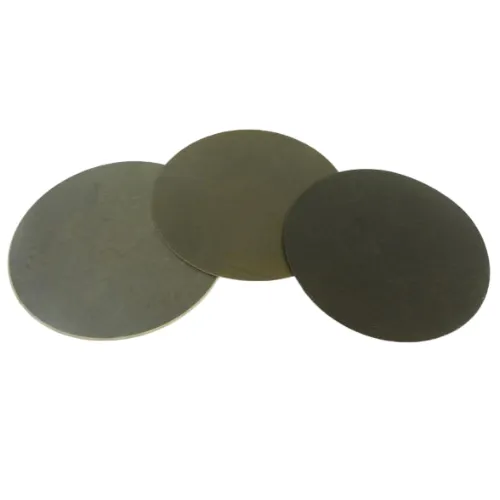
This sandpaper is suitable for laboratory polishing machines and can be used with magnetic or adhesive-backed bases. It is suitable for a variety of materials, including metals, ceramics, glass, mineral samples, composite materials, and PCB boards.
2. What is its working principle during the polishing process?
Sandpaper is attached to a polishing disc or magnetic base. Through gradual grinding with different grit sizes, it removes material from the sample surface, achieving a smooth surface, minimizing scratches, and obtaining a high-quality polished surface.
3. Which grit size should be chosen?
In metallographic sample preparation, medium-grained particles are typically used first to remove surface irregularities, followed by fine-grained grinding. The specific choice depends on the material hardness and the desired surface quality.
4.How to properly install and replace grinding and polishing machine sandpaper?
Modern polishing machines use magnetic adsorption or adhesive backing to secure the sandpaper, allowing quick installation and replacement. This ensures the sandpaper stays firmly attached during rotation, preventing edge lifting or detachment.
5. Can it be used with automatic polishing machines?
Yes. Most laboratory precision polishing machines support the use of sandpaper and grinding discs in combination. Users can select the sandpaper grit according to the material type and sample preparation requirements.
6. Recommended process flow for advanced analysis.
First, perform preliminary grinding with sandpaper.
Then, perform fine grinding with diamond paste or polishing cloth.
Finally, perform ultrasonic or solvent cleaning.
7. Tips to improve grinding results.
Select the grit combination according to the material hardness.
Control the grinding pressure and speed.
Keep the sandpaper and polishing surface clean.
Use water or lubricant if necessary.
Summary — Choosing the right sandpaper is important.
High-quality laboratory polishing sandpaper ensures uniform surface, reliable data, and reproducible sample preparation. Compared to ordinary abrasives, specialized laboratory sandpaper offers controllable abrasion removal, consistent abrasion marks, and strong adhesion, contributing to more accurate research results.