


Box Furnace OEM/ODM and Factory Customization Realities
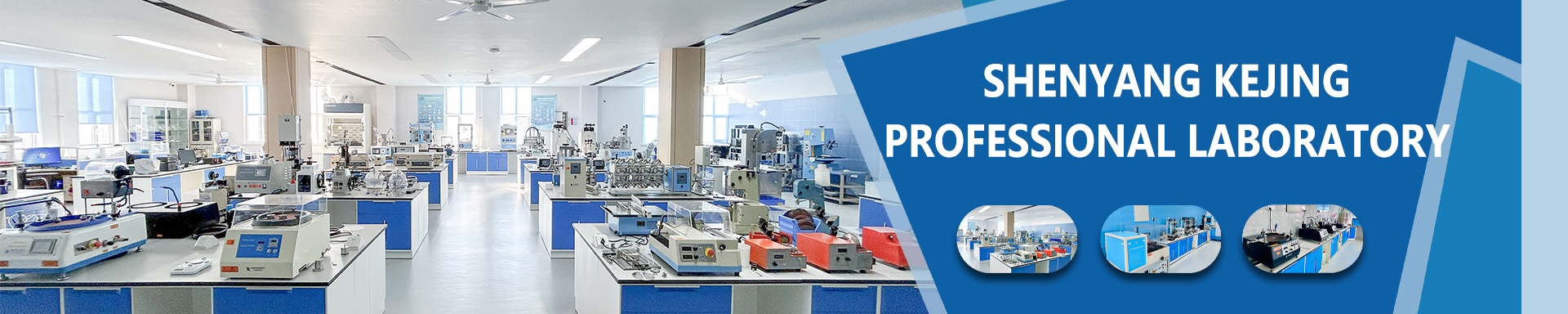
2026-07-01 15:02In our production facility in Shenyang, China, we see a wide variety of custom requests. Some research teams need to integrate their laboratory box furnace inside a glovebox, while others require specialized gas feeding ports for inert atmosphere sintering.
Because we manage the entire assembly line directly, we can accommodate these adjustments. We don't rely on third-party shell manufacturers. If you need a split-type configuration, a tabletop quartz observation window, or customized chamber dimensions, we can adjust the CAD models and fabricate it. We maintain a large inventory of common spare parts and certified electrical components and we ensure that our engineering team can provide remote diagnostics if your system ever experiences a control loop issue.
Scenario-Based Sintering: How Different Materials Behave.
In actual laboratory work, different materials require completely different heating approaches. Knowing how to handle your specific material inside a laboratory box furnace is the key to both experimental success and equipment longevity.
Sintering Advanced Ceramics: Advanced ceramics like alumina or zirconia have high thermal inertia. If you heat them too quickly, they will crack. In this scenario, we highly recommend utilizing the 50-stage programmable temperature controller to set a multi-step ramp-and-soak profile. A slow ramp of 5°C per minute is often necessary to let the thermal stresses dissipate.
Dry-Ashing Food or Polymer Samples: Here’s a classic Reddit/Quora discussion point: why do certain organic samples "explode" out of their crucibles during ash testing? If you heat protein powders or polymers too fast, the outer layer melts and forms an impermeable skin. The trapped moisture inside then heats up, builds pressure, and pops like popcorn, splashing the chamber walls. The solution? Run a preheating stage at around 80% of your target temperature and use the built-in exhaust ports to slowly carry away the evolving gases.
Metal Annealing: Annealing metal requires a uniform temperature field to ensure that the microstructure changes consistently. Placing your samples in the center of the chamber, away from the direct radiant heat of the furnace walls, ensures they receive uniform conduction and radiation.
Frequently Asked Questions
1. Why is my laboratory box furnace chamber showing surface cracks?
Small hairline cracks in the alumina fiber insulation are completely normal and are caused by standard thermal expansion and contraction. However, deep structural cracks are usually the result of excessive heating rates or thermal shock—such as opening the door fully at 1000°C to pull out a sample[1][5]. To prevent this, always limit your ramping rate to the recommended limits and allow the furnace to cool naturally to at least 200°C before opening the door.
2. What is the difference between maximum temperature and continuous operating temperature?
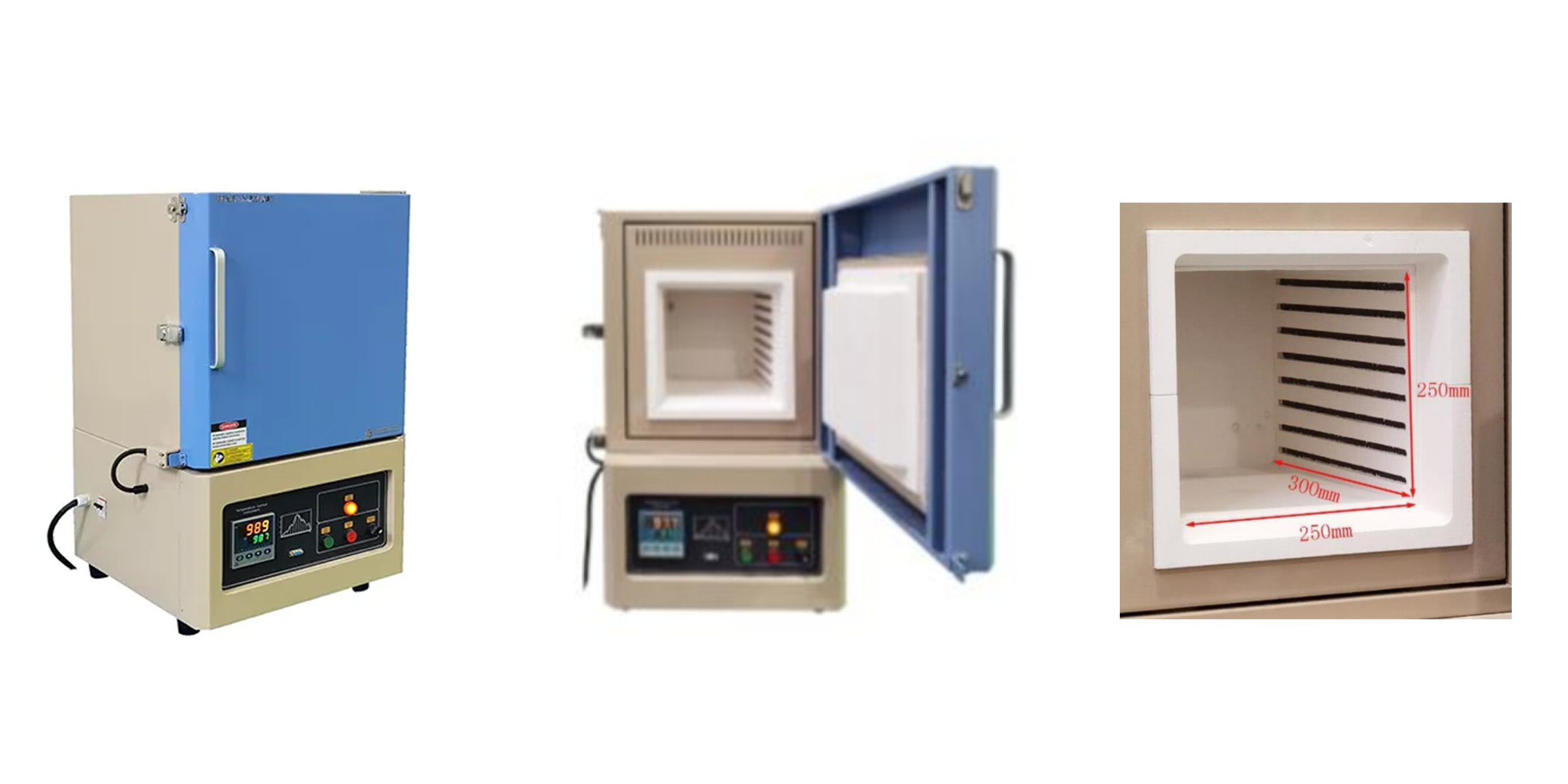
The maximum temperature (1200°C for the KSL-1200X-N) is the absolute limit the furnace can reach for a very short duration, usually under 30 minutes, without damaging the heating elements. The continuous operating temperature (1100°C) is the safe limit where you can run the furnace for hours or days. Running your lab box furnace at its maximum limit continuously will drastically shorten the lifespan of your resistance wires.
3. How does the American-imported alumina coating protect the chamber?
Traditional untreated alumina fiber is highly porous. When samples release corrosive gases or moisture, these pollutants easily penetrate the fiber walls, causing structural degradation and heat loss. The American-imported high-temperature alumina coating seals these surface pores. This acts as a barrier against outgassing, improves heating efficiency, and prevents the fiber from shedding dust into your clean samples.
4. Can I run an inert gas atmosphere in a standard lab box furnace?
Standard box furnaces are designed for air atmospheres. While the KSL-1200X-N features built-in air intake and exhaust ports to vent out moisture and gases, it is not gas-tight. If your material requires a strict oxygen-free or reducing atmosphere, you will need a specialized vacuum box furnace or a tube-type sintering furnace with gas flanges. Attempting to flood a standard box chamber with argon or nitrogen will result in massive gas leakage and high oxygen levels.