


Common Polishing Issues and How to Solve Them
2026-02-24 11:25Polishing is a crucial process in surface treatment, especially for crystalline materials, metals, ceramics, and other hard, brittle materials. However, during polishing, several issues can arise, such as uneven surface quality, over-polishing, and pitting. These problems not only affect the final product's quality but also lead to longer production times and increased costs. Understanding and addressing these issues is essential for ensuring efficient production and high-quality products.
Uneven Surface Quality: Uneven Distribution of Polishing Fluid.
Uneven surface quality is a common problem, often resulting in "orange peel" or "pitting" after polishing. This is typically caused by the uneven distribution of polishing fluid or inadequate absorption by the polishing pad. To solve this, it’s crucial to choose the right polishing pad and ensure the polishing fluid is used correctly.
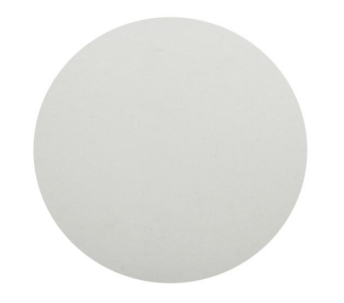
Our Synthetic Leather Polishing Pad is specifically designed for fine polishing and chemical-mechanical polishing (CMP) processes. These pads feature excellent flatness, moderate flexibility, and durability, ensuring an even distribution of polishing fluid and preventing uneven fluid dispersion.
Additionally, our flat-type pads, with their fine-pile structure, can uniformly distribute polishing fluid during stable polishing operations, ensuring consistent surface quality throughout the process.
Over-Polishing: Surface Overheating or Excessive Pressure.
Over-polishing is another frequent issue, which can cause the surface to become rough, affecting both the appearance and performance of the product. The most common causes of over-polishing include prolonged polishing times, excessive pressure, or overheating of the workpiece's surface.
Our Synthetic Leather Polishing Pad is designed with the right flexibility and durability to maintain proper pressure and temperature during polishing, preventing over-polishing. We offer both flat and grooved types of polishing pads. The grooved pads, with their regular groove structure, better distribute the polishing fluid, enhance polishing efficiency, and prevent excessive surface temperature or over-polishing.
Material-Specific Polishing Needs: Customized Solutions.
Different materials have distinct polishing requirements, which can also lead to issues during the polishing process. For example, crystalline materials, metals, ceramics, and other hard, brittle materials require different types of polishing pads to meet their specific surface demands.
To address this, our Synthetic Leather Polishing Pad can be customized for various grinding and polishing machines. We provide different diameters, including Ø70mm, Ø203mm, Ø250mm, Ø300mm, Ø320mm, and Ø381mm, to cater to different material needs.
Improving Polishing Efficiency and Consistency: Optimizing the Polishing Process.
Improving polishing efficiency and ensuring surface consistency requires more than just high-quality polishing pads. It involves optimizing the entire polishing process, such as selecting the right polishing fluid and tools, controlling polishing pressure and time, and choosing the appropriate pad for different workpiece materials.
Our Synthetic Leather Polishing Pad are designed to meet these needs, making them particularly suitable for high-precision polishing of materials like sapphire, quartz, silicon carbide, metals, and ceramics.
By selecting the right polishing tools and optimizing the process, we can resolve these common polishing issues and enhance product quality.