


The Comprehensive Guide for Laboratory and Small-Scale Alloy Development
2026-06-19 09:42In the competitive landscape of metallurgical research and high-end jewelry prototyping, the bridge between a theoretical alloy composition and a physical ingot is the melting and casting process. For many researchers and engineers, this stage is fraught with challenges: unintended oxidation, temperature overshoot, crucible contamination, and, most importantly, safety hazards.
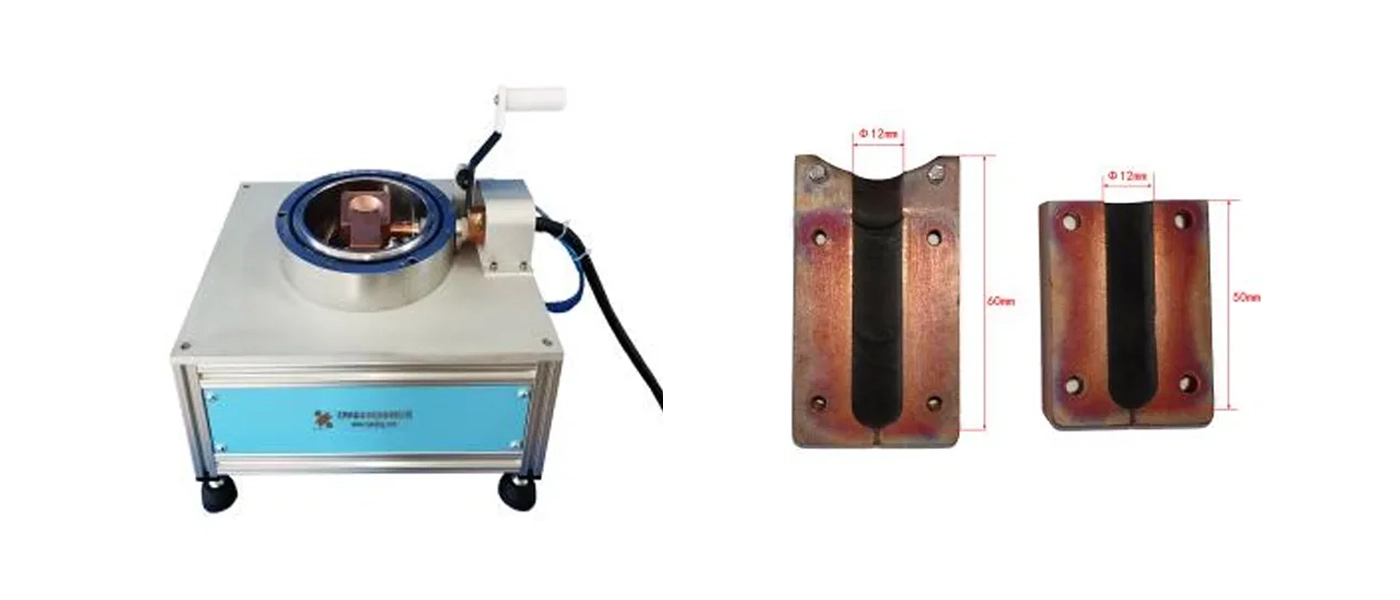
The Shenyang Kejing Metal Melting and Casting Kit is designed to address these professional pain points by providing an integrated, controlled environment for thermal processing. This blog explores the science behind precision melting, the nuances of casting high-purity alloys, and how to optimize your workflow using a professional-grade kit.
1. The Critical Challenges in Small-Scale Metal Melting
When moving from industrial-scale production to laboratory-scale R&D, several "pain points" become magnified. Understanding these is the first step toward achieving repeatable results.
A. Oxidation and Atmospheric Contamination
At elevated temperatures, most metals—especially aluminum, copper, and titanium—exhibit a high affinity for oxygen. In a standard open-air furnace, the surface of the melt quickly forms an oxide layer (dross or slag). This not only reduces the yield but also introduces inclusions into the final cast, severely compromising the mechanical properties of the alloy.
B. Thermal Homogeneity
Achieving the melting point is not enough; the entire melt must be at a uniform temperature. In inferior heating systems, "cold spots" can lead to incomplete melting, while "hot spots" can cause the vaporization of low-boiling-point alloying elements (like Zinc or Magnesium), leading to a final composition that deviates from the intended formula.
C. Crucible-Melt Interaction
The choice of crucible is critical. A common mistake is using a graphite crucible for high-carbon-sensitive alloys or using ceramic crucibles that react with the flux. This chemical interaction can introduce unwanted trace elements into the melt.
2. Technology Deep Dive: Induction vs. Resistance Heating
The heart of any melting kit is its heating mechanism. Professional kits typically employ one of two technologies, each with distinct advantages for different research needs.
Induction Heating: The Gold Standard for Speed
Induction melting works by passing an alternating current through a copper coil, creating a rapidly alternating magnetic field. This field induces eddy currents within the metal itself, causing it to heat up from the inside out.
Speed: Induction can melt several kilograms of gold or copper in minutes.
Stirring Effect: The electromagnetic field naturally stirs the molten metal, ensuring a perfectly homogeneous alloy without manual intervention.
Efficiency: Heat is generated directly in the charge, minimizing energy loss to the surrounding environment.
Resistance Heating: Precision and Stability
Resistance furnaces use heating elements (such as Moly-Disilicide or SiC) to radiate heat toward the crucible.
Control: Resistance heating is often easier to stabilize at a specific temperature for long periods (e.g., for crystal growth or slow annealing).
Atmosphere Control: These systems are easier to seal for vacuum or inert gas (Argon/Nitrogen) environments.
The Shenyang Kejing Metal Melting and Casting Kit offers configurations that balance these technologies, allowing users to choose the right energy source for their specific material's melting point and sensitivity.
3. Solving the "Safety Gap" in the Lab
Safety is the #1 concern for Google users searching for melting equipment. Handling molten metal at 1200°C to 2000°C requires more than just a pair of tongs.
Integrated Safety Features of the Kit
Shielding: Professional kits include high-temperature radiation shields to protect the operator from IR burns.
Emergency Shut-offs: Advanced sensors detect cooling water failure or coil overheating, instantly cutting power to the induction system.
Ergonomic Tongs and Pouring Systems: The kit provides specialized tools designed to fit the specific geometry of the crucibles, reducing the risk of a "slip-and-spill" during the critical pouring phase.
Personal Protective Equipment (PPE) Essentials
A professional setup is incomplete without:
Aluminized Suits: To reflect radiant heat.
Face Shields: Rated for high-intensity IR and potential splashes.
Spats and Aprons: To prevent molten metal from entering boots or burning through standard lab coats.