


Shenyang Kejing HEATER Series: Laboratory Compact Digital Heating Plates
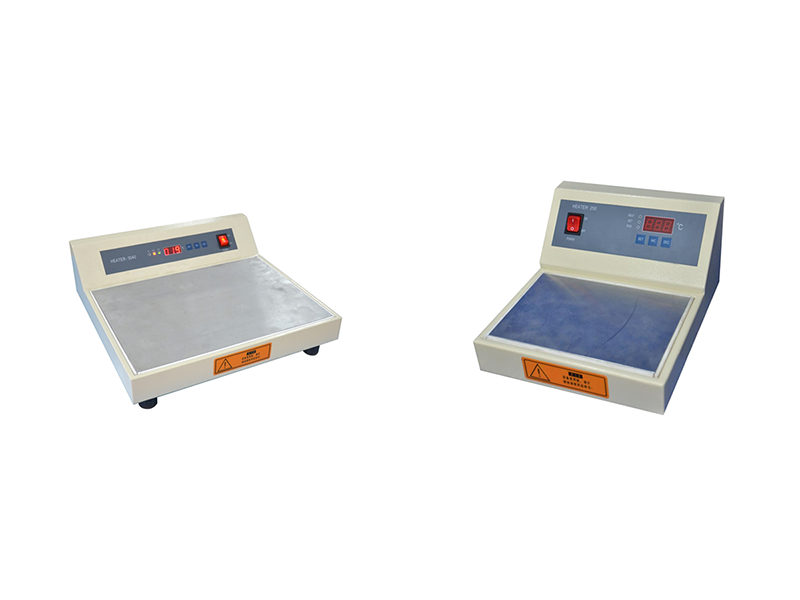
2026-01-18 11:22Are you looking for a laboratory heating plate that offers uniform heating and precise temperature control? The Shenyang Kejing HEATER Series—comprising the HEATER-250 and HEATER-3040 models—features an integral cast aluminum alloy heating plate and a core microcomputer-based temperature control system, achieving a precision of up to ±1°C. Characterized by rapid heating rates and high resistance to thermal shock, these units are specifically engineered for the precise heating, baking, and drying of temperature-sensitive materials such as crystals and semiconductors.
In the realms of chemical analysis, physical measurement, and materials thermal processing experiments, "heating" stands as a fundamental yet highly demanding process that truly tests the capabilities of laboratory equipment. Conventional electric heating furnaces often suffer from issues such as uneven temperature distribution, control lag, or high thermal inertia; for temperature-sensitive materials—such as crystals, semiconductor devices, or fine ceramics—these deficiencies can lead to catastrophic thermal stress damage.
To address this challenge, Shenyang Kejing has specifically developed the HEATER Series: a line of highly energy-efficient, compact laboratory heating plates. Through their exceptional structural design and intelligent microcomputer control core, these units provide materials laboratories with a safe, stable, and high-precision foundational heat source.
The "Core" Technological Advantages of the HEATER Series
Whether it is the compact HEATER-250 or the larger-format HEATER-3040, both models embody Shenyang Kejing's rigorous manufacturing DNA.
1. Integral Cast Aluminum Heating Plate: The Secret to Temperature Uniformity
Unlike the standard, assembled heating plates commonly found on the market, the HEATER Series utilizes an integral cast aluminum alloy heating plate. The cast aluminum material not only endows the device with exceptional structural strength and safety but—thanks to its superior thermal conductivity—also ensures an extremely uniform distribution of heat across the entire surface of the plate. Compared to ordinary heating plates, this design significantly mitigates the risk of "thermal shock"—damage caused by localized overheating—to the materials being processed.
2. Precise Microcomputer-Based Temperature Control Core
The heart of the device is a high-performance microcontroller. Through digital input via the front-panel buttons, the temperature control precision can be consistently maintained within a tight tolerance of ±1°C. Not only does it heat up extremely rapidly (reaching temperatures of up to 200°C), but its structural design also facilitates rapid cooling after experiments, significantly shortening experimental cycles and boosting overall laboratory workflow efficiency.
3. Minimalist Design and Safety Assurance
The heating plate features a compact overall structure and an intuitive button layout, making it incredibly easy to operate. It is ideally suited for materials—the properties and physical states of which do not undergo drastic changes when heated—making it the perfect choice for sample drying, curing, bonding, and constant-temperature testing in universities, research institutes, and industrial production settings.
Two Models to Meet Varying Scale Requirements
To accommodate different workspace layouts and sample sizes, we offer two models for you to choose from:
HEATER-250 (Professional Compact Edition):
Heating Area: 210mm × 150mm
Heating Power: 600W
Features: Extremely compact (weighing only approx. 5 kg), ideal for the precision processing of individual samples in workspaces with limited desktop real estate.
HEATER-3040 (High-Capacity, High-Efficiency Edition):
Heating Area: 373mm × 273mm
Heating Power: 1200W
Features: A larger working surface, suitable for the batch drying of samples or the heating and baking of large-format components.
Kejing Laboratory Operation Tips:
Since the perimeter of the heating plate is in contact with ambient air, a minor physical temperature difference between the center and the edges is considered normal. To achieve the most uniform heating results possible, we recommend placing critical samples within the central area of the heating plate and avoiding positioning the device in environments subject to direct, strong airflow (e.g., from fans, air conditioners, or open windows).
Simple, Reliable, Precise. The Shenyang Kejing HEATER Series Digital Heating Plates—built with robust materials and intelligent temperature control—serve as the quiet yet indispensable "Thermal Guardian" on your laboratory benchtop.
Looking to upgrade your laboratory's basic heating equipment? Contact us today to learn more about the detailed specifications of the HEATER Series. In-stock items are available for immediate shipment, with a standard lead time of just 10 business days!