

Sample Sealing Machine: How To Improve Yields Through Isostatic Sealing Technology
2026-07-30 14:31In the isostatic pressing process, there is an easily overlooked but critical step between powder bagging and high-pressure pressing-vacuuming and sealing the flexible packaging bag containing samples. This step is usually done by a sample sealing machine. The sealing effect may affect the uniformity of pressure transfer in the isostatic pressure chamber and is related to the yield of the final product.
In the fields of advanced ceramics, cemented carbides, rare earth permanent magnets and powder metallurgy, isostatic pressing technology is a common method to improve material density and uniformity. The sample sealing process before isostatic pressing is one of the factors affecting the yield.
Impact Of Sealing Quality On Yield
The principle of isostatic pressing is to use a liquid or gas medium to apply uniform pressure from all directions to the sample sealed in a flexible mold to densify the powder. There is a basic requirement for this process: the pressure medium (usually hydraulic oil or water) should be kept isolated from the sample. If there is a problem with sealing, the following consequences can be caused:
· If there is a leak point, the oil may penetrate into the powder under a high pressure environment, causing the sample to be scrapped.
· If air remains in the package, the compression of the air under high pressure may affect the uniformity of pressure transfer, resulting in inconsistent density of the green body and possible cracking during subsequent sintering.
· Poor sealing may also cause hydraulic oil to penetrate into the mold and cause pollution, affecting the service life of the mold and the sample forming rate.
Many laboratories and production lines have encountered similar situations: when using ordinary manual sealing machines, the vacuum level is difficult to accurately control, and the sealing strength may not be ideal. After the sample is isostatically pressed, it is sometimes found that the oil has penetrated, making the sample unusable. Especially for samples such as ceramic powders and porous materials, excessive suction during vacuum pumping may affect their structure.
Equipment Design Ideas For Sealing Pain Points
In view of these situations, the following directions can be considered in the design of equipment:
Vacuum can be adjusted manually. Different samples have different tolerance to vacuum. Fragile samples require less suction and powder samples require moderate suction. If the equipment can adjust the vacuum manually, it helps to protect the sample better.
Reliable sealing strength. Isostatic pressure can reach thousands of bars, and the sealing line is the weakest link. The use of widened copper heating elements helps improve seal tightness and reduces the risk of leakage under high pressure.
Flexible switching of modes. Samples have various shapes. If the equipment can provide corresponding processing modes, the scope of operation will be wider. There are four adjustable modes: dry, wet, powder and liquid, which can be flexibly selected according to the sample type.
Operational efficiency and durability. The ability to continuously seal, the durability of the heating element, and the adaptability of the housing to the laboratory environment are all factors that can affect the experience and cost in actual use. The equipment has been verified by practical use under high pressure conditions, and the sealing effect can meet the requirements of conventional isostatic pressing experiments.
About Shenyang Kejing
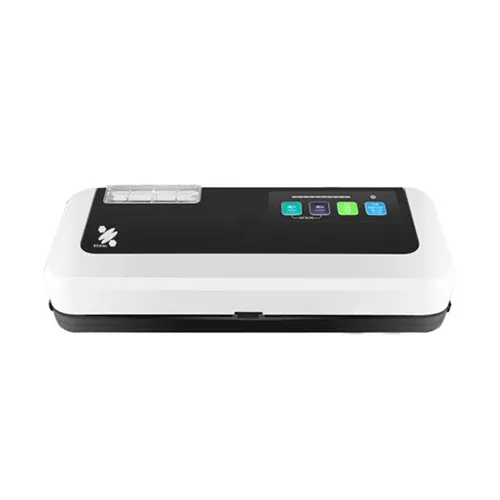
Shenyang Kejing has many years of accumulation in the field of laboratory sample preparation and has rich experience in sealing in isostatic pressing samples. Based on common problems in the industry, we designed an isostatic sample sealing machine (oil separation after vacuum sealing).
This sample sealing machine has the following characteristics:
· Manual integrated vacuum technology: The operator can manually adjust the vacuum level according to the characteristics of the sample, and use less suction for fragile samples to reduce the possibility of structural damage.
· Widening the copper heating element: helps improve the firmness of the seal and maintains tightness in a high-pressure isostatic pressure environment.
· Four working modes (dry, wet, powder, liquid): Flexible selection for different shapes of samples.
· Continuously sealed, durable structure: stainless steel bracket with corrosion-resistant ABS shell is suitable for routine laboratory use environment.
The equipment supports continuous sealing operations, and the overall efficiency can be increased by 20%. In terms of equipment parameters, the voltage is 220V-240V, the power is 220W/50Hz, the width of the sealable bag is 280mm, the width of the heating line is 5mm, and the vacuum degree can reach-60cm/Hg to 0.8bar (±3%). The sealing ring is made of high-sealing silicone material, and the heating element is stainless steel heating wire. The equipment size is 390mm × 148mm × 72mm, and the design is compact, which can save laboratory storage space. The supply capacity is 50 sets, and the delivery cycle is 22 working days.
If your laboratory or production line encounters specific problems with sample sealing during isostatic pressure sample preparation, please contact Shenyang Kejing. We can provide suggestions based on your sample type and process requirements.