


How Diamond Lapping Film Achieves High-Precision Surface Finishing
2026-03-23 13:00In fields like fiber optics, optical manufacturing, and semiconductor processing, achieving high-precision surface finishes on hard, brittle materials has always been a challenge. Diamond lapping film has emerged as a go-to solution for this task. It's made by evenly distributing micron or even nano-sized diamond particles across a high-strength film surface using precision coating technology—perfect for grinding and polishing materials like glass, crystals, and ceramics.
What Makes the Manufacturing Process Stand Out
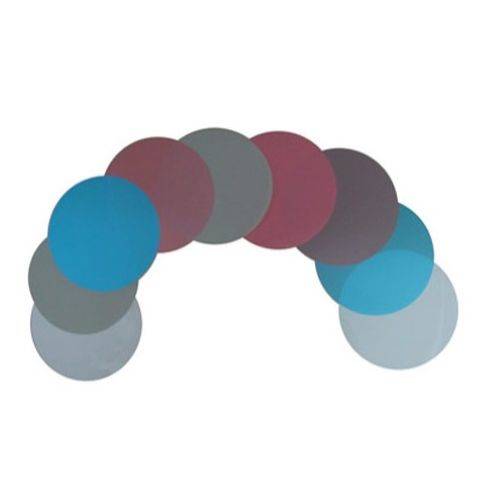
Diamond lapping film is created through ultra-precision coating, where micron-sized diamond particles are uniformly mixed with a polymer compound and coated onto a strong polyester film. The key here is consistency: the diamonds are firmly embedded and evenly spread across the coating, so each particle does its part in the grinding process. This prevents uneven wear or missed spots. Unlike traditional sandpaper, where abrasive grains are randomly scattered and tend to fall off prematurely, the uniform distribution from precision coating makes the whole grinding process much more stable and predictable.
Designed with the User in Mind
The polyester film base hits a sweet spot between strength and flexibility—it holds its shape during use but can still conform to slight curves when needed. The pressure-sensitive adhesive on the back lets you stick it directly onto the polishing platen. It holds firm during work but peels off easily when it's time for a change, keeping things simple.
Another standout feature is the complete range of grit sizes. From 30-micron for rough grinding down to 0.5-micron for final polishing, each size serves a purpose: coarse grits remove damage from cutting, intermediate grits erase scratches, and fine grits deliver that mirror finish. Standardized diameters—203, 300, and 381 millimeters—mean they fit most mainstream polishing equipment right out of the box.
More Applications Than You Might Think
While fiber optics is where diamond lapping film first made its name, its use has expanded far beyond that. In optics, it's used for flattening glass, quartz, and crystals. The semiconductor industry relies on it for prepping wafers made of silicon, gallium arsenide, and indium phosphide. Data storage? It puts the final polish on hard drive heads and platters. And in materials labs, it's a staple for preparing metallographic samples.
For materials with big differences in hardness—think carbon fiber composites or metal matrix composites—diamond abrasive can tackle both the soft and hard phases at once. That's something other abrasives often struggle with.
Shenyang Kejing Diamond Lapping Film
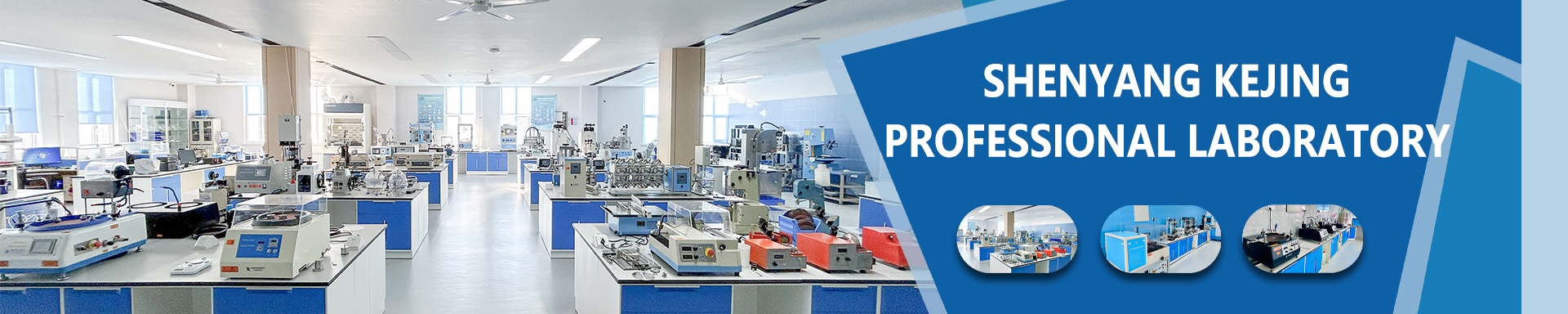
With over two decades in the materials prep equipment business, Shenyang Kejing knows its way around diamond lapping film. Their version uses ultra-precision coating to keep diamond particles evenly spread, with a base material that balances strength with just enough give. They offer eight grit sizes from 0.5 to 30 microns and three standard diameters. The PSA backing plays nice with UNIPOL series polishers and other common gear.
You'll find their products at work in labs across Tsinghua University, Peking University, and the Chinese Academy of Sciences. Internationally, they've hosted more than a hundred visiting research groups. Standard orders ship within ten working days, packed for export in shock-resistant, moisture-proof crates. And if you run into questions, their customer support team is available around the clock.