


- Home
- >
News
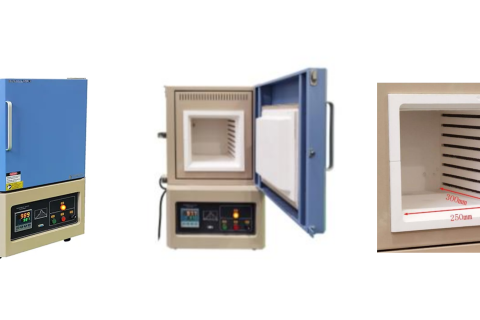
In our production facility in Shenyang, China, we see a wide variety of custom requests. Some research teams need to integrate their laboratory box furnace inside a glovebox, while others require specialized gas feeding ports for inert atmosphere sintering.
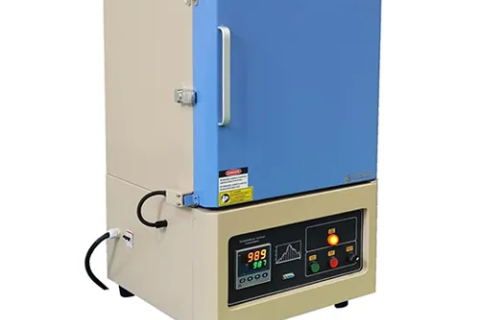
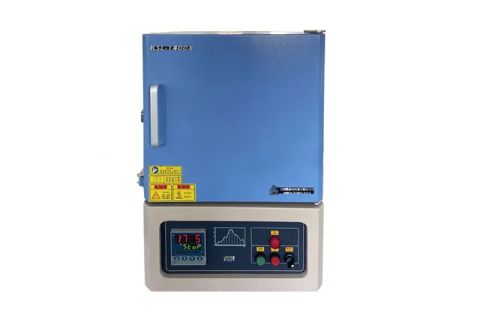
A laboratory box furnace provides uniform high-temperature heating, precise atmosphere control, and programmable thermal cycles for sintering, annealing, and material testing. Many advanced materials research facilities and industrial quality control departments rely on a lab box furnace to achieve consistent heat treatment under controlled thermal environments.
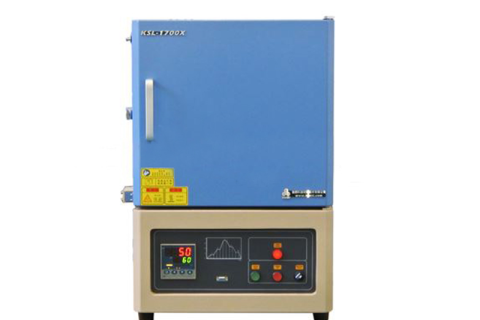
A laboratory box furnace is primarily used for high temperature sintering, metal annealing, quality inspection, and similar applications in universities, research institutes, and industrial enterprises. Its core principle involves generating heat by passing an electric current through heating elements, creating a uniform high temperature environment within an enclosed chamber lined with refractory materials, thereby meeting various heat treatment needs.
1. Understand the temperature tolerance range of the material. Different materials have different high-temperature resistance properties. Excessively high temperatures can cause deformation, melting, or damage. Therefore, when setting the temperature of a high-temperature box furnace, you should refer to the material's temperature tolerance range to ensure that the selected temperature does not exceed this range.