


WIP-60 Warm Isostatic Press
1. The WIP-60 provides a Phi 60 x 150 mm chamber with up to 0-500 MPa isostatic pressure, making it suitable for small-batch research and high-pressure laboratory isostatic press work.
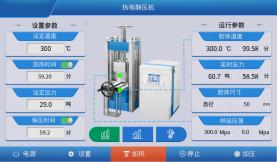
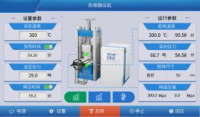
2. You can view each operation curve, and export Excel files through USB for process records.
3. Programmable warm and cold pressing: Up to 18 program segments allow pressure and temperature to be controlled separately, supporting warm isostatic press trials as well as cold isostatic press machine operation.
- Shenyang Kejing
- Shenyang, China
- 22 working days
- 50 sets
- Information
WIP-60 Warm Isostatic Press for Laboratory Material Forming
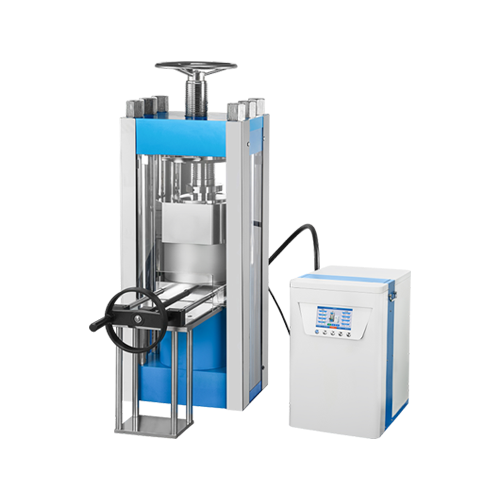
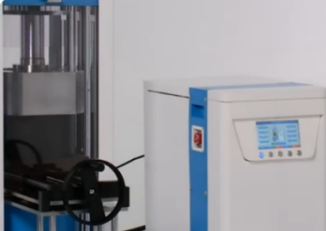
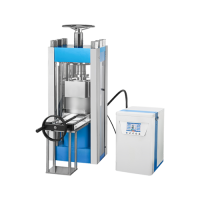
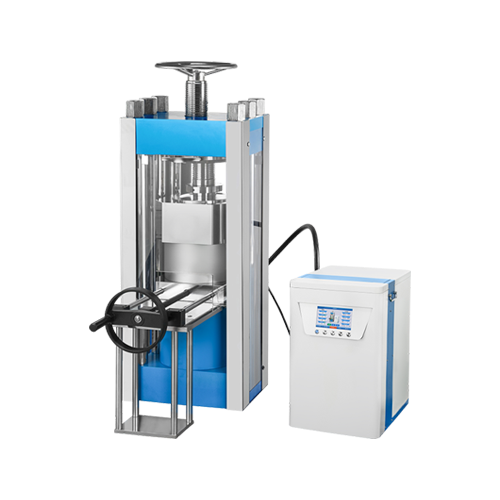
The WIP-60 Warm Isostatic Press is designed for laboratories that need controlled warm or cold isostatic pressing in a compact, high-pressure system. As a laboratory isostatic press, it is widely used for forming powder metallurgy samples, composite materials, refractory materials, ceramics, and hard alloys. The split configuration combines a press frame with a touch-screen controller, allowing users to set pressure, temperature, and process time according to the sample and mold requirements.
This equipment is suitable when a laboratory needs a warm isostatic press or cold isostatic press machine for compact sample preparation, process trials, and controlled forming before scale-up. The controller can record operation curves and supports USB download, helping technicians compare pressing programs and document repeatability.
Key features of the WIP-60 Warm Isostatic Press:
Automatic pressure conversion: Operators can enter the mold cavity diameter and let the touch-screen controller calculate the sample pressure, reducing manual conversion work during routine pressing.
Programmable pressing control: The system supports standard pressurization and advanced multi-step programs, making it suitable for repeatable laboratory trials and process comparison.
Temperature and dwell-time setting: The chamber temperature and heating time can be adjusted for warm isostatic pressing workflows involving ceramics, hard alloys, refractory materials, composites, and powder metallurgy samples.
Split structure for easier handling: The separate press and controller design helps laboratories arrange the equipment, clean the work area, and maintain the system with less effort.
Technical parameters of WIP-60 Warm Isostatic Press:
| Product Name | WIP-60 warm/cold isostatic press |
| Product Model | WIP-60 |
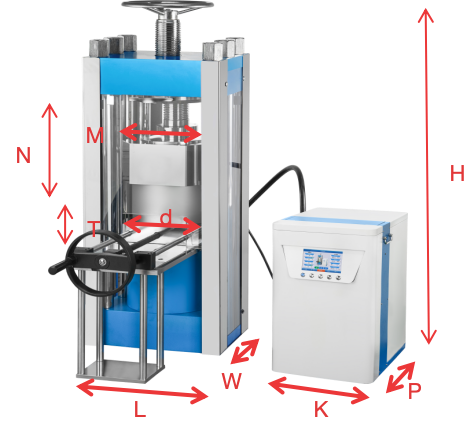
| Main Parameters | 1. Heating temperature: room temperature-200℃ 2. Isostatic pressure: 300 MPa 3. Pressure range: 0-150 T 4. Curve graph: can display each operation curve and support USB download of Excel files 5. Program control: up to 18 program segments; pressure and temperature can be controlled separately 6. Pressure conversion: automatically converts the pressure borne by the sample according to the sample shape and size 7. Pressure display accuracy: 0.01 ton 8. LCD display: 7-inch IPS high-definition touch screen 9. Metal buttons: silver-plated contacts, service life >100,000 times 10. Equipment protection: steel plate with organic glass protective door 11. Pressure safety: automatic pressure overload protection 12. Limit switch: limit switch 13. Chamber size/isostatic pressure: Phi 60 x 150 mm (M x N) / 0-500 MPa 14. Space size: 280 x 400 mm (M x N) 15. Equipment power: 1500 W (220 V / 110 V customizable) 16. Press size/net weight/gross weight: 430 x 550 x 1080 mm (L x W x H) / 571 kg / 623 kg 17. Controller size/net weight/gross weight: 350 x 460 x 480 mm (K x P x H) / 109 kg / 126 kg |
 | |
| Note: The complete isostatic press series is supplied with matched hydraulic molds and presses. All parameters are matched. During use, do not exceed the "maximum pressure-bearing value of the isostatic mold", and do not replace the mold with other models or manufacturers; molds without authorization; otherwise equipment damage or accidental injury may occur. | |
Typical applications:
The WIP-60 Warm Isostatic Press can be used for powder metallurgy pressing equipment workflows, ceramic pressing machine development, hard alloy forming, refractory sample preparation, composite material testing, and high-pressure laboratory forming studies. It is especially useful when the sample requires uniform pressure transmission and controlled temperature during pressing.
For research teams comparing a laboratory warm isostatic press with conventional uniaxial pressing, the isostatic process can help reduce directional pressure differences and improve the consistency of green bodies before sintering or further testing.
Process control and safety considerations:
Users can select standard pressurization for routine operation or advanced multi-step control for experiments that require staged pressure and temperature profiles. The protective door, overload protection, limit switch, and clear 7-inch touch screen are designed to support safer and more repeatable operation in laboratory environments.
Before operation, users should confirm the mold pressure rating, sample size, chamber size, heating program, and target pressure. The supplied mold and press are matched components; replacing the mold or exceeding the mold pressure limit may cause equipment damage or injury.
Selection notes:
When selecting equipment, users often compare chamber size, maximum pressure, temperature control, data export, and whether the system is intended for warm isostatic pressing machine work, cold isostatic press machine operation, ceramic pressing machine trials, or powder metallurgy pressing equipment workflows. The correct choice should be based on the sample size, mold rating, process temperature, and required pressure range.
FAQ:
What materials can the WIP-60 process? It is commonly used for powder metallurgy, ceramics, refractory materials, composites, and hard alloys where uniform pressure forming is required.
Can it support both warm and cold isostatic pressing? Yes. The equipment supports warm pressing with adjustable chamber temperature and heating time, and it can also be used for cold isostatic pressing within the stated mold and pressure limits.
Why choose a split warm isostatic pressing machine? The split structure keeps the press and controller separate, making the system easier to arrange, operate, clean, and maintain in a laboratory setting.