

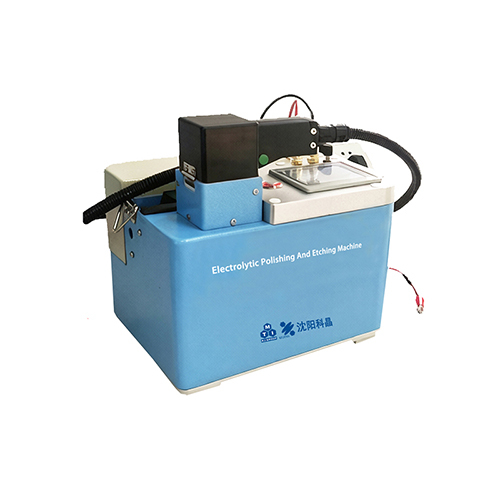
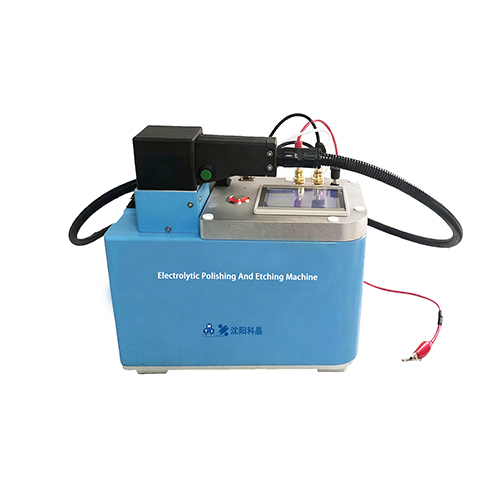
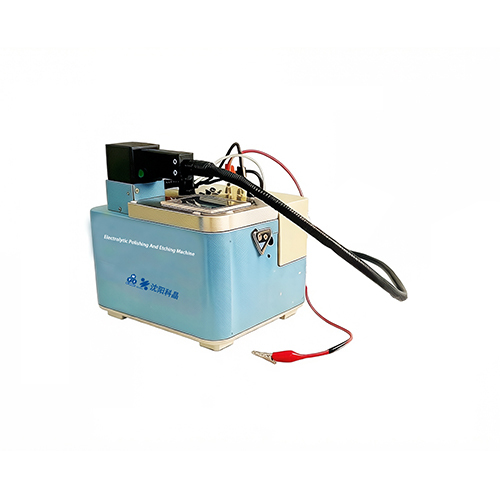
EP-1030 Lab Electrolytic Polisher for Metallographic With Touchscreen Display
1. This advanced laboratory electrolytic polisher integrates both electrolytic polishing and etching functions into a single unit, effectively eliminating the mechanical stress and deformation layers typically generated by traditional mechanical grinding processes.
2. Whether you are working in a university research institution, a factory QA/QC laboratory, or conducting on-site analysis, the EP-1030 laboratory electrolytic polisher delivers rapid and highly reproducible analytical results.
- Shenyang Kejing
- Shenyang, China
- 22 working days
- 50 sets
- Information
Introduction of lab precision electrolytic polisher:
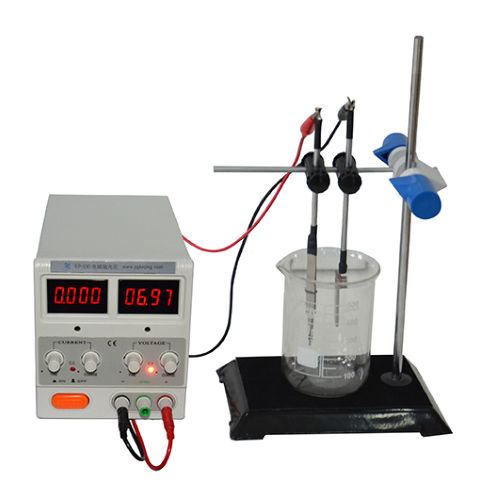
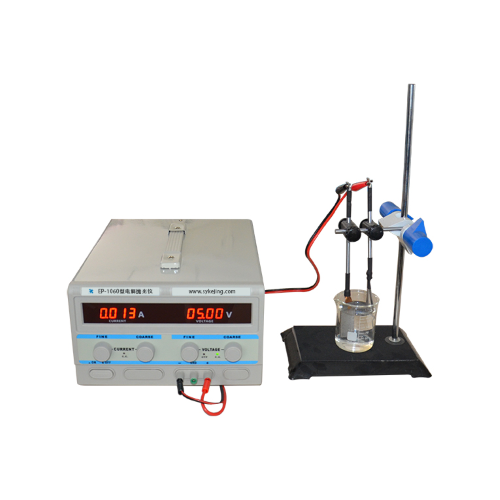
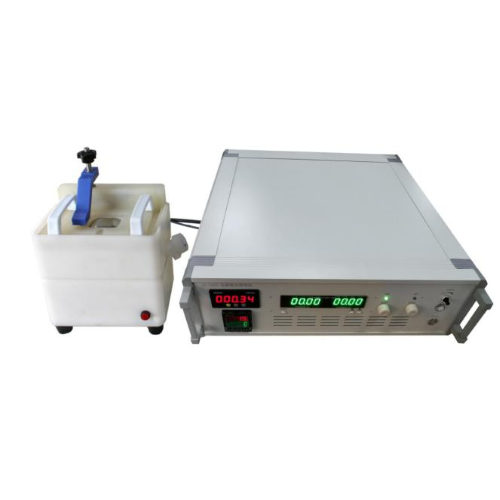
The EP-1030 Laboratory Electrolytic Polisher is a metallographic sample preparation device that combines both electrolytic polishing and electrolytic etching capabilities. It is designed for the preparation and surface treatment of metallographic samples of metallic materials. The polisher features continuously adjustable output voltage and current limits, along with an automatic switching function between constant voltage and constant current modes. Its high output stability ensures it can meet the specific electrolytic polishing and etching process requirements for a wide variety of materials.
Equipped with a touch-screen display, the unit simultaneously displays voltage and current parameters, offering intuitive and convenient operation. The device features a compact, space-saving design that is easy to transport, making it ideal for use in laboratories within factories, universities, and research institutes, as well as for conducting electrolytic polishing experiments in field or on-site environments.
This laboratory electrolytic polisher serves a dual purpose: it can be used for both the electrolytic polishing and the electrolytic etching of metallographic specimens. Characterized by rapid sample preparation speeds, excellent reproducibility, and the complete absence of mechanical deformation layers, it stands as an essential and widely utilized piece of equipment for metallographic sample preparation.
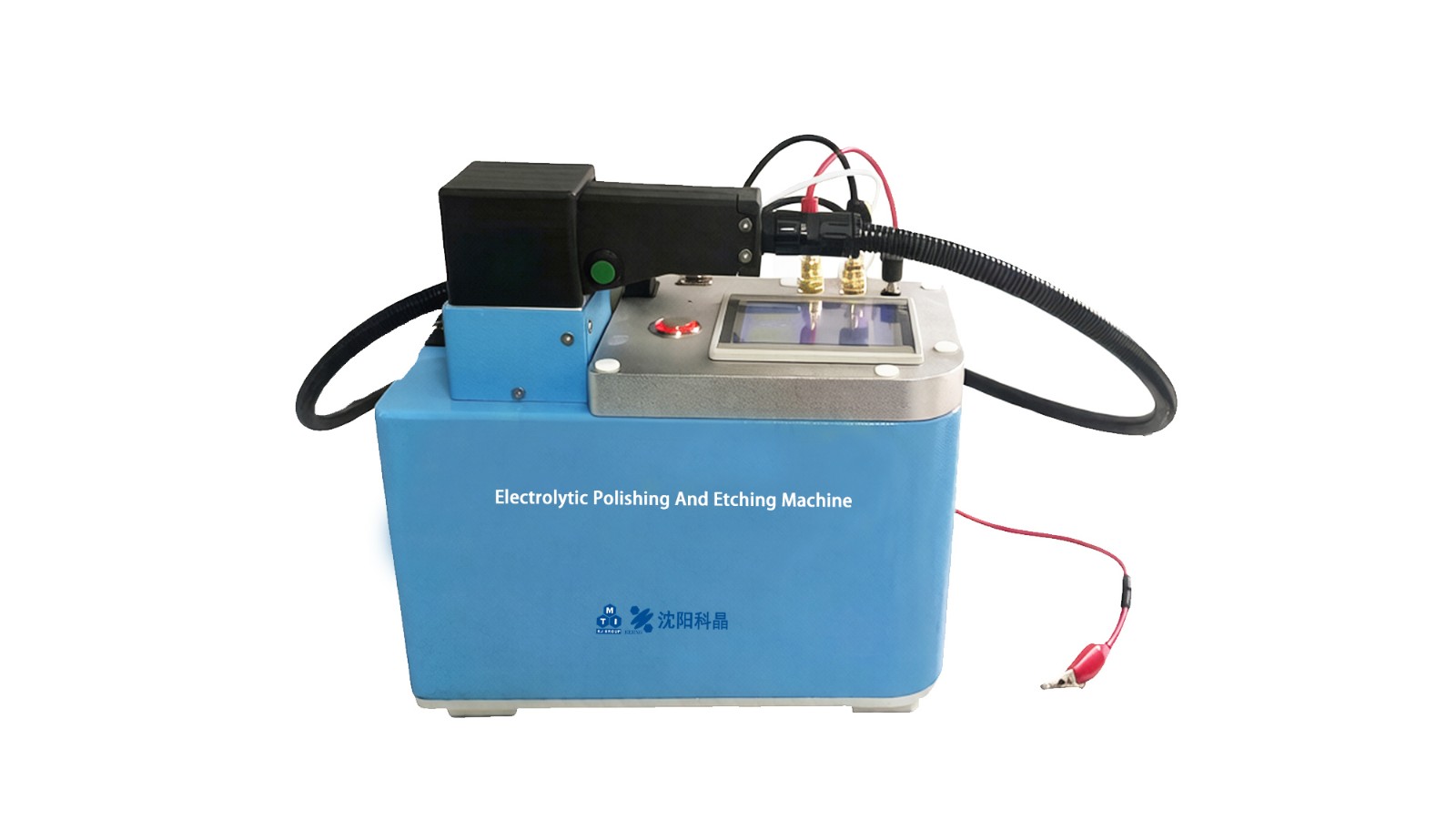
Technical Specifications of lab precision electrolytic polisher:
| Product Name | Model EP-1030 Metallographic electrolytic polisher | |
| Product Model | EP-1030 | |
| Key Parameters | 1. Power Supply: 220V / 50Hz | |
| 2. Output Voltage: 1–30V, 10A | ||
| 3. Fluid Delivery Unit: Peristaltic Pump | ||
| 4. Control Method: PLC Controller + Touchscreen | ||
| 5. Peristaltic Pump Speed: 2–50 rpm | ||
6. Product Specifications: · Dimensions: 255 mm × 130 mm × 155 mm · Weight: 7.5 kg | 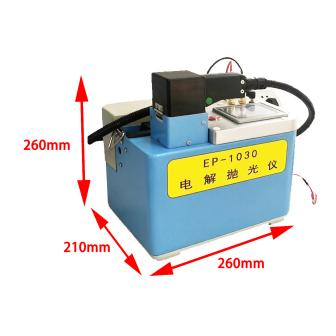 | |
| Compliance | CE Certified, UL or CSA certification is available at extra cost. | |
Features of the Precision Laboratory Electrolytic Polisher:
· Integrates both electrolytic polishing and electrolytic etching functions to satisfy diverse process requirements for metallographic sample preparation.
· The output voltage and current limit are continuously adjustable, featuring an automatic switching function between constant voltage and constant current modes to ensure high output stability.
· Equipped with a touch-screen display that provides real-time monitoring of voltage and current parameters, offering an intuitive interface and convenient operation.
· Features an integrated design with a compact structure and small dimensions, facilitating easy portability and suitability for on-site applications. It offers high sample preparation efficiency and excellent reproducibility, effectively preventing the formation of deformation layers caused by mechanical processing.
Typical Applications in Material Science of metallographic electrolytic polisher:
Alloy Characterization: Perfect for aluminum, copper, stainless steel, and titanium alloys where mechanical polishing often leaves scratches.
Welding Inspection: Revealing weld structures, Heat Affected Zones (HAZ), and micro-cracks without inducing artifacts.
Failure Analysis: Providing pristine surfaces required for high-magnification electron microscopy.
Field Operations: Its compact size allows for on-site non-destructive testing (NDT) and replica metallography in industrial plants.
Frequently Asked Questions:
Q1: What is the difference between an electrolytic polisher and a mechanical grinder/polisher?
A: Mechanical polishing uses abrasives which can induce stress, scratches, and a deformed surface layer (Beilby layer) on the metal. An electrolytic polisher uses an electrochemical process to dissolve the peaks of the metal surface, resulting in a stress-free, pristine finish ideal for structural analysis.
Q2: Can the EP-1030 be used for both polishing and etching?
A: Yes. The EP-1030 functions as both a polisher and an etcher. By simply adjusting the voltage and current settings via the touch screen, you can switch from polishing to etching the metallographic sample using the same electrolyte setup.
Q3: Is the flow rate of the electrolyte adjustable?
A: Absolutely. The unit features a precision peristaltic pump with an adjustable speed range of 2 to 50 rpm, allowing you to optimize the flow rate based on the specific material and electrolyte viscosity.
Request a Quote Today:
Upgrade your lab's sample preparation capabilities with the EP-1030. Contact our technical sales team today for pricing, international shipping details, and expert advice on choosing the right electrolytes for your materials.