

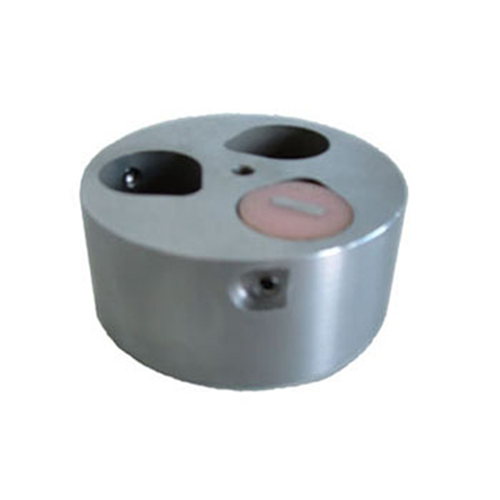
Cylindrical Workpiece fixture
1. The conventional apertures of the clamping tool for precision cutting include φ25㎜ and φ30㎜, which can also be customized on demand.
2. The lab sample workpiece fixture is suitable for grinding and polishing samples such as silicon wafers, sapphire wafers, lithium niobate wafers, optical crystal wafers, laser crystal wafers, quartz crystal wafers, and metal materials.
3. The clamping tool for precision cutting can hold 3 or more mounted samples at the same time.
- Shenyang Kejing
- Shenyang, China
- 10 working days
- 50 sets
- Information
Introduction of clamping tool for precision cutting:
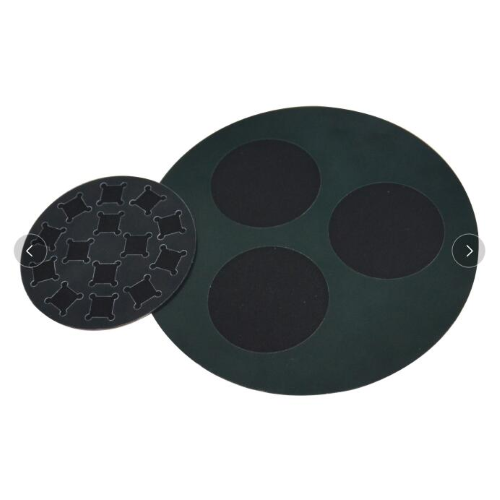
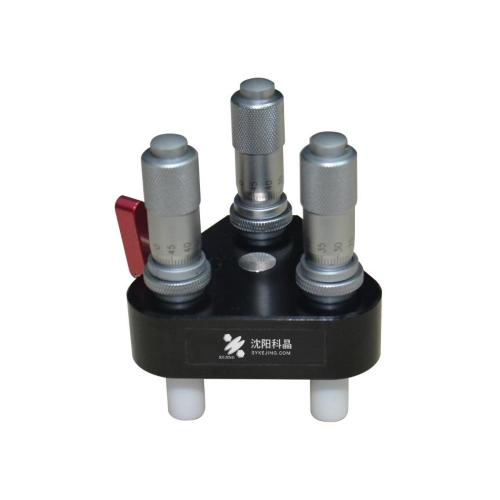
Peach shaped hole workpiece fixing tool is made of high-quality stainless steel material, mainly suitable for UNIPOL series precision grinding and polishing machines produced by our company, and can be customized in different sizes according to different equipment models. Lab sample workpiece fixture is mainly used to load mounted samples. There are many contact points between the peach-shaped hole and the sample. The sample is firmly fixed after the sample is supported by the top screw. 3 or more mounted samples can be placed at the same time. Different counterweights are applied to the upper surface of the peach shaped hole workpiece fixing tool to meet the grinding and polishing conditions of different weights, so that the sample can quickly meet the grinding and polishing requirements in a short time.
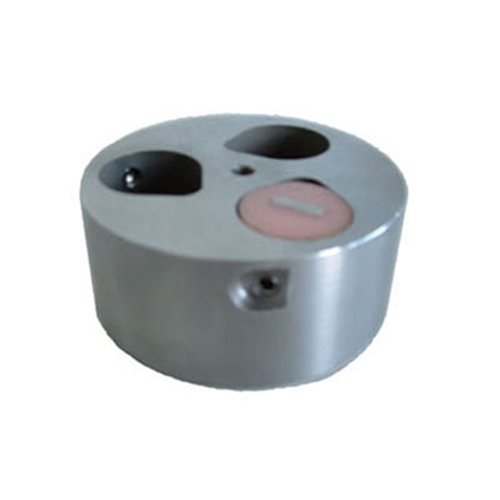
Advantages of fixture for cylindrical samples:
1. Fixture for cylindrical samples can be made into different apertures according to the size of the inlay mold.
2. Fixture for cylindrical samples has many contact points with the sample, and the sample is firmly fixed.
3. Fixture for cylindrical samples is made of stainless steel, which is not easy to rust, wear-resistant, has a certain corrosion resistance, and is easy to shape.
Technical parameters of clamping tool for precision cutting:
| Product Name | Peach shaped hole workpiece fixing tool |
| Product Parameters | Commonly used peach-shaped hole diameters are φ25㎜ and φ30㎜ (peach-shaped hole sample trays with different diameters can be customized according to needs) |
Usage steps:
1. Sample loading: Place the mounted sample into the hole of the peach-shaped sample tray.
2. Fix the sample: Use the top screw to firmly hold the sample to ensure that the sample does not move during grinding and polishing.
3. Adjust the weight: Add appropriate weight blocks to the surface of the sample tray according to the sample material and grinding requirements.
4. Start the equipment: Place the sample tray loaded with the sample on the UNIPOL series precision grinding and polishing machine, and start the equipment for grinding and polishing.
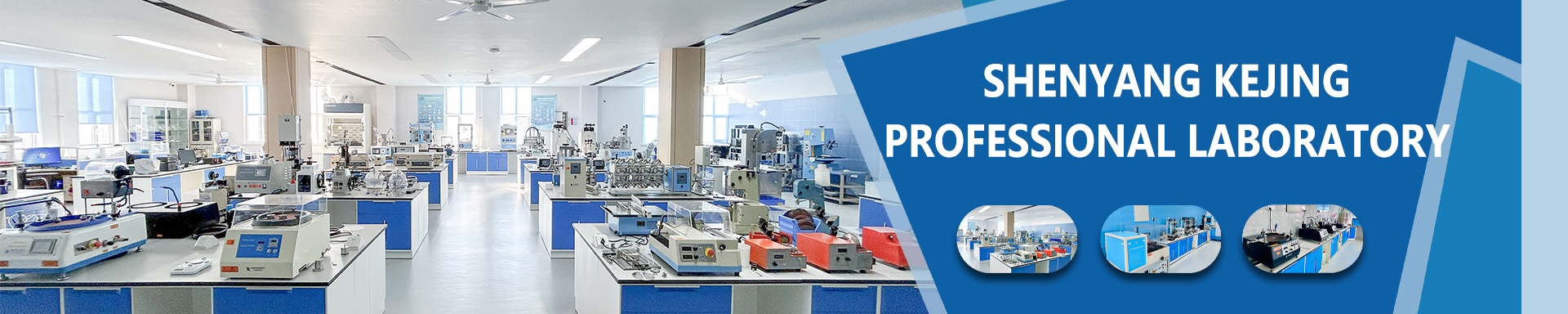
About us:
1. Industry-leading end-to-end solutions.
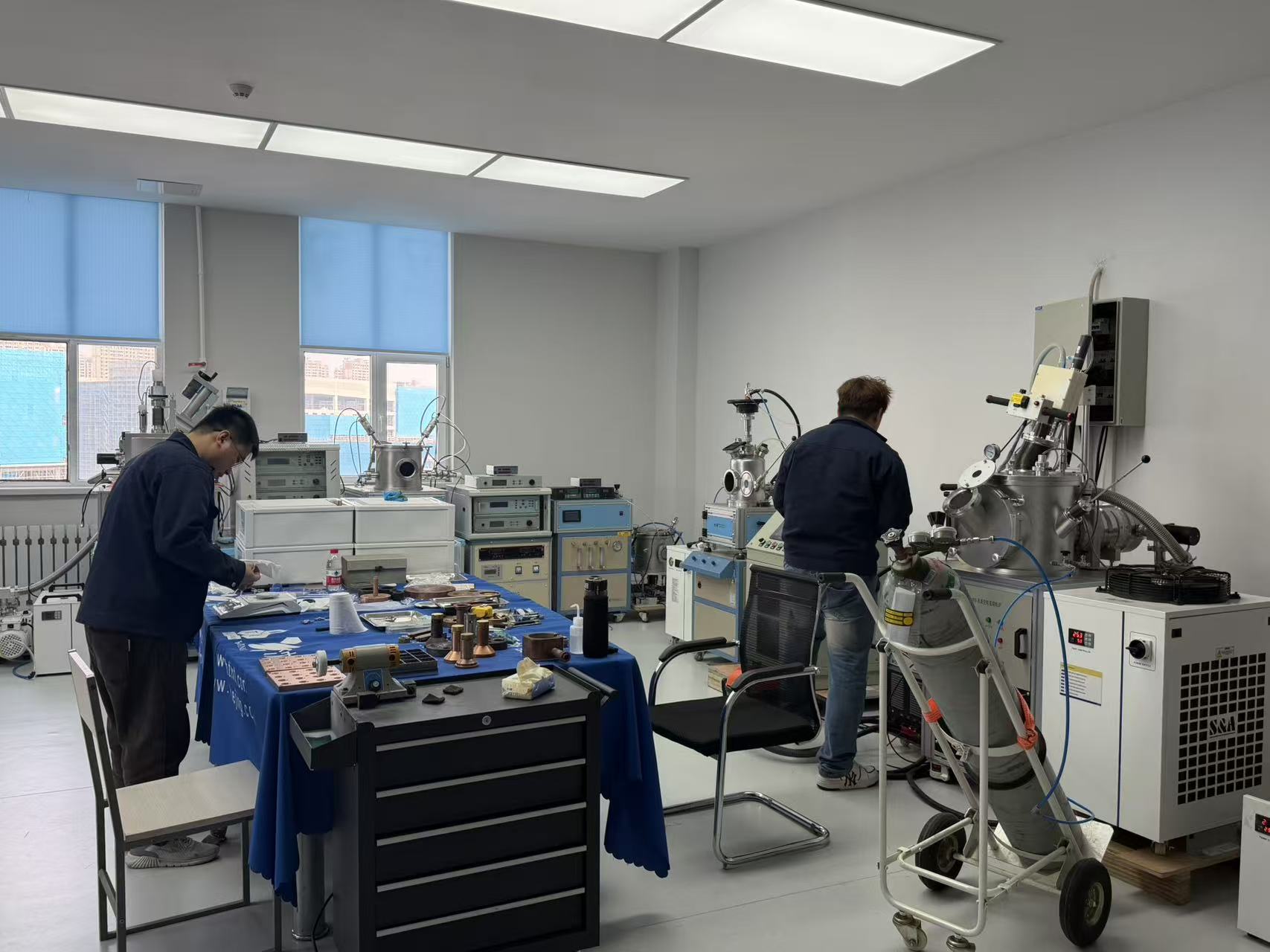
Shenyang Kejing not only provides individual equipment but also strives to offer a "one-stop" material preparation laboratory solution, encompassing cutting, mounting, grinding, and polishing. Its product line covers the entire pretreatment process for material analysis.
2. Strong research support and open laboratory.
The company has established the "Shenyang Kejing Open Laboratory," which not only sells products but also provides pre-sales product experiences, process experiment training, and collaborative laboratory projects. This "technology-first" model ensures that customers purchase not only machines but also mature processing techniques.
3. High degree of customization capability.
As shown in its sample tray products, Kejing can provide customized services based on different equipment models and sample sizes (such as non-standard diameter hole positions), meeting the diverse experimental needs of the scientific research field.
4. Superior materials and manufacturing processes.
Insisting on the use of high-quality raw materials (such as premium stainless steel) and combining them with precision machining processes ensures the long-term durability of consumables and accessories under harsh experimental environments such as acid and alkali corrosion and high wear.
5. Deep integration of industry, academia, and research.
As a high-tech enterprise, Kejing has established in-depth cooperation with many universities and research institutes. Its product design closely follows the needs of the front line of scientific research and has a number of patents and experience in technology transfer.