

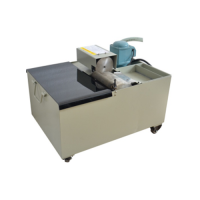
Automatic Filtered Water Tank
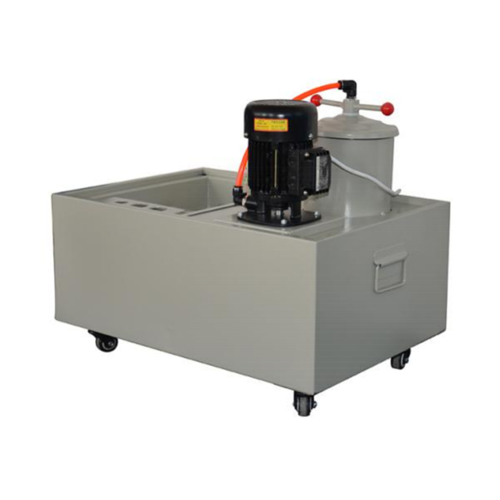
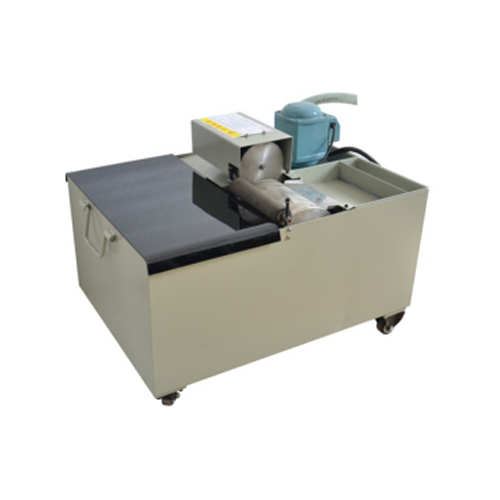
1. YJXZ-25 lab automatic filter water tank can be used for cooling liquid filtration and circulation of the cutting machine. It has both the function of a circulating pump and that of filtering water.
2. Lab automatic filter water tank adopts a multi-channel comprehensive filtration system with magnetic separation, which can effectively separate ferromagnetic impurities from non-magnetic substances, achieve high-efficiency filtration, and keep the cutting coolant clean, thereby improving the cutting accuracy and prolonging its service life.
3. YJXZ-25 lab automatic filter water tank has a large volume and flow and can filter and circulate a large amount of liquid at one time.
- Shenyang Kejing
- Shenyang, China
- 10 working days
- 50 sets
- Information
Introduction of the Coolant Filtration Tank for Laboratory Equipment:
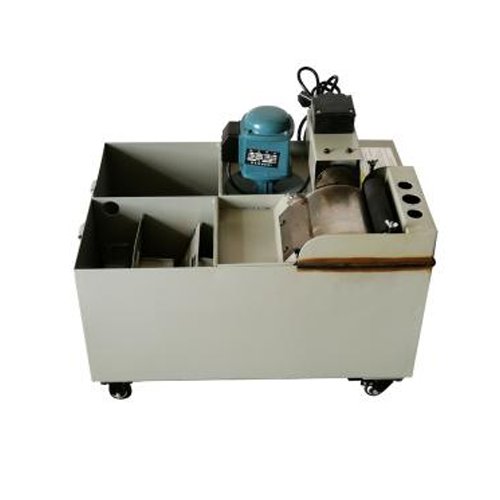
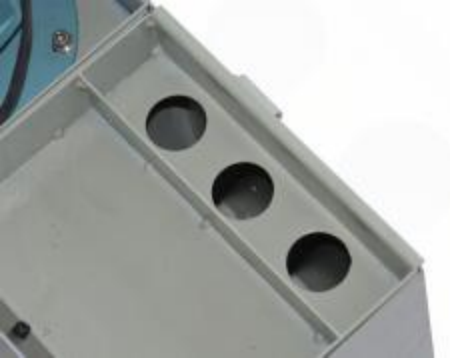
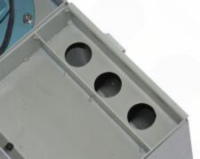
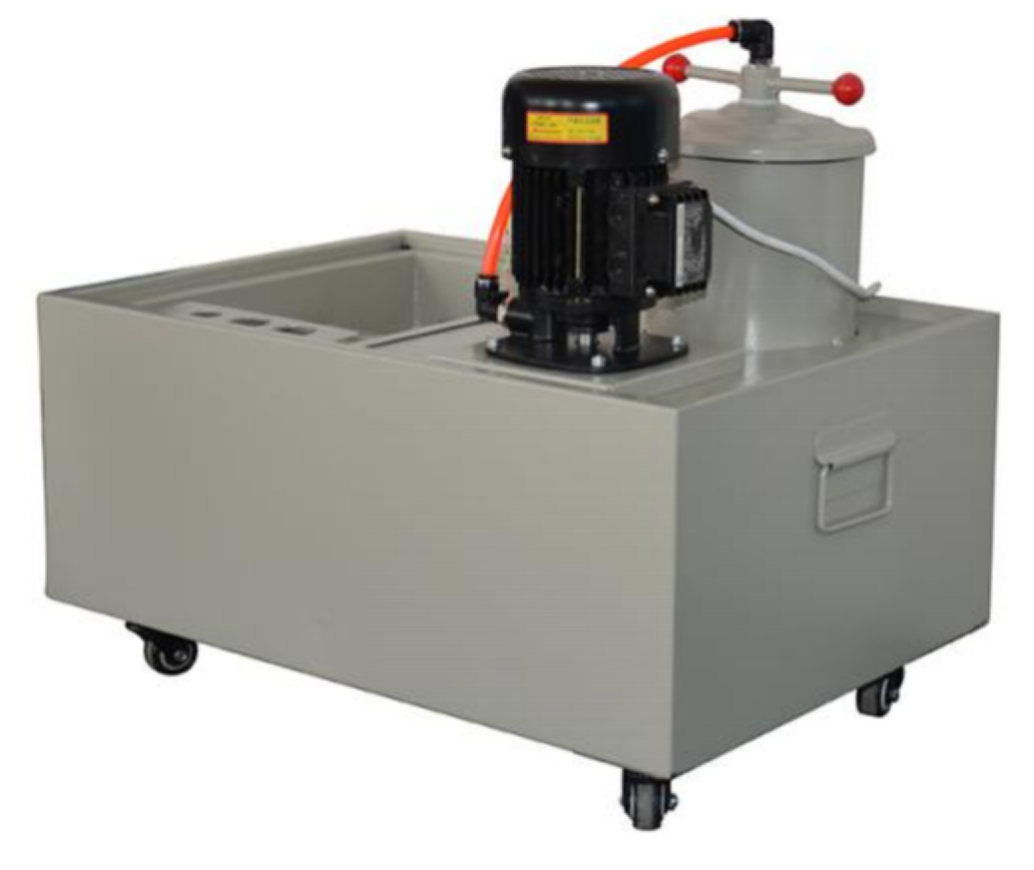
Operating Procedure of the YJXZ-25 Coolant Filtration Tank: Coolant from the laboratory equipment enters the return tank via the return inlet, passing through a filtration cotton layer. This process traps large particulate chips within the cotton, while a magnetic rod adsorbs any magnetic waste particles present in the coolant. The coolant, having undergone this initial filtration, flows into the main body of the tank. Once the coolant level inside the tank reaches a specific volume, it flows through an overflow port into the pump reservoir section. The pump then pressurizes the coolant, forcing it through a filter cartridge within a dedicated filtration unit for a secondary, fine filtration; finally, the purified coolant exits through the outlet connector and returns to the laboratory equipment.
Key Features of the Coolant Filtration Tank for Laboratory Equipment:
· Features a comprehensive, multi-stage filtration system that incorporates magnetic separation, enabling highly efficient and thorough purification of the coolant. It effectively separates both ferromagnetic impurities and non-magnetic substances.
· After undergoing comprehensive filtration, the service life of the circulating coolant (including emulsions and cutting oils) is extended by more than two times, resulting in a significant reduction in cutting costs.
· The tank is equipped with an independent filter cartridge system capable of effectively removing minute particles from the coolant, thereby significantly enhancing cutting performance.
· Boasts a unique design featuring a specialized return tank chip-removal system: the magnetic rod captures magnetic waste particles, while the filtration cotton captures larger particulate debris. This system effectively separates cutting residues from the coolant, retaining them within the return tank; the accumulated waste in the return tank requires periodic manual cleaning.
· Utilizes a float mechanism to monitor the remaining coolant level within the tank, preventing the volume from dropping too low—a condition that could otherwise compromise cutting performance.
Technical Parameters of laboratory water filtration tank:
Product Name | YJXZ-25 Laboratory water filtration tank | |||
Product Model | YJXZ-25 | |||
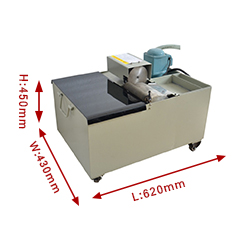
Technical Parameters | 1. Total Power: 150W 2. Operating Voltage: 220V, 50Hz (380V optional) 3. Flow Rate: 12 L/min 4. Water Tank Capacity: 60 L 5. Water Pump Model: CDSP 1-18-A Product Specifications: · Dimensions: 620 mm × 430 mm × 450 mm |
| ||
Logistics of laboratory water filtration tank:

Application Scenarios of coolant filtration tank for laboratory equipment:
1. Materials Science and Metallography Laboratories:
Compatible Equipment: Laboratory precision cutters, metallographic specimen cutters, wire cutters, etc.
Laboratories frequently require cutting various types of specimens (e.g., metals, ceramics, crystals, rocks, etc.). This water tank's multi-stage filtration system (magnetic + physical cotton + microporous filter cartridge) thoroughly captures and filters debris from all types of materials, ensuring the high purity of the cutting fluid. This effectively prevents residual particles from a previous batch of specimens from scratching the surfaces of subsequent high-precision specimens, thereby safeguarding the quality of specimen preparation.
2. Universities and Research Institutes (Portability):
The automatic laboratory filtration tank features a compact footprint (62 cm L × 43 cm W × 45 cm H) and is equipped with universal casters at the base, allowing it to be easily tucked under a laboratory bench or moved between different cutting machines for shared use. Furthermore, it operates on a standard 220V power supply (with low power consumption of 150W) and is plug-and-play ready, making it ideally suited for the daily operational environment of university laboratories.
3. Corporate R&D and Quality Inspection Centers:
When conducting failure analysis or sampling material cross-sections, the flatness and smoothness of the cut surface are primary considerations. Clean cooling fluid can significantly enhance both cutting efficiency and surface finish.
Additionally, with a 60-liter capacity and a flow rate of 12 liters per minute, this laboratory water filtration tank is fully capable of meeting the demands of quality inspection departments for continuous, high-volume specimen preparation.
FAQ of laboratory water filtration tank:
Q1: Our laboratory frequently cuts steel specimens one day and ceramic specimens the next; can this laboratory water filtration tank handle such variety?
A: Absolutely—no problem at all. This is precisely where the advantage of its "comprehensive filtration" system lies. When cutting steel, the magnetic rods capture iron particles; when cutting non-metallic materials such as ceramics or glass, the filtration cotton in the return tank intercepts larger particles, while the final independent filter cartridge captures microscopic dust and powder. We recommend briefly cleaning the filtration cotton in the return tank before switching to a drastically different cutting material to prevent cross-contamination between specimens.
Q2: Does the laboratory water filtration tank take up much space in the lab? Is it easy to move around?
A: It is extremely space-efficient. Measuring just 620 mm × 430 mm × 450 mm—with a height of less than half a meter—it fits perfectly beneath most standard laboratory benches. Furthermore, its base is equipped with four casters, allowing a single person to easily maneuver it to interface with various pieces of laboratory equipment.
Q3: How often should the internal filter cartridge be replaced?
A: This depends on the frequency of cutting operations in your laboratory and the types of materials being processed. In cases of heavy usage—particularly when cutting generates a significant amount of fine particulate matter (such as with brittle materials)—we recommend periodically monitoring the filter's flow rate. If you observe a noticeable reduction in water output or a decline in filtration efficiency, please contact the manufacturer to arrange for a filter replacement. Thanks to the "pre-filtration" stage provided by the front-mounted magnetic rods and filtration cotton, the service life of the main filter cartridge has been significantly extended.