


Why DB Series Electric Heating Plates Win in Lab Tests
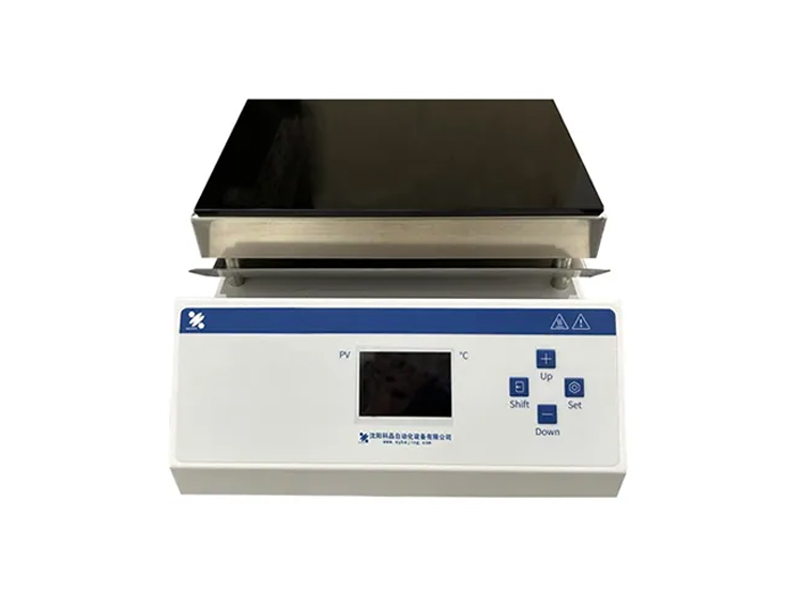
2026-06-13 11:34A DB Series Electric Heating Plate is a high-precision laboratory tool designed for large-batch sample digestion, evaporation, and constant temperature heating. By using PID temperature control and high-performance heating elements, a chemistry lab hot plate ensures ±1°C accuracy and uniform heat distribution, which is critical for consistent chemical reactions and analytical results.
The "Hidden" Frustration in Lab Heating
Most lab managers treat heating plates as a basic commodity—until a $5,000 batch of pharmaceutical samples is ruined by a 15-degree "hot spot" on a cheap plate.
Look, I’ve spent over several decades as an engineer looking at the guts of laboratory equipment. I’ve seen everything from high-end German units to budget knock-offs that literally melt their own internal wiring. What I’ve realized is that most buyers focus on the maximum temperature, but they completely ignore thermal inertia and plate flatness.
In real projects, especially in soil analysis or heavy metal testing, if your chemistry lab hot plate doesn’t have a perfectly leveled surface and precise PID logic, your results will drift. It’s not just about getting hot; it’s about staying exactly at 180.5°C across every square inch of that surface.
What Many Buyers Overlook: The "Shell" vs. The "Core"
Honestly, this is where many buyers get confused. They see a stainless steel top and assume it’s high quality.
Here’s the thing: The DB Series Electric Heating Plates are built differently because they address the "Internal Heat Trap" problem. In many standard plates, the heat radiates downward into the electronics, leading to premature controller failure.
When we look at the DB series from an OEM engineering perspective, the internal air-gap insulation and the thickness of the heating plate itself are the real heroes. A thicker plate means better heat retention (thermal mass), which prevents the temperature from "jittering" every time the lab's AC kicks on.
The Problem with "Generic" Chemistry Lab Hot Plates
I’ve talked to dozens of researchers in Southeast Asia and North America who complained that their plates started "pitting" or corroding within six months.
Many brands focus too much on the digital display's aesthetics and ignore the reality of acid vapor. If you are doing acid digestion (Aqua Regia, etc.), the vapors will find their way into the electronics.
The DB Series Electric Heating Plates solve this by using a specialized coating and sealing the control panel away from the direct "line of fire" of the vapors. This is the difference between a tool that lasts two years and one that lasts ten.
Common Mistakes I See in Lab Procurement.
Buying for Max Temp Only: Most labs never go above 250°C, yet they buy a 500°C plate that has terrible accuracy at lower ranges. If you need 150°C, buy a plate optimized for that range.
Ignoring the "Warm-up" Time: In a high-throughput B2B environment, time is money. A plate that takes 40 minutes to stabilize is a bottleneck.
Neglecting the Grounding: I can't tell you how many times I've walked into a lab and seen a high-power heating plate plugged into a cheap power strip. These units pull significant current; they need dedicated, grounded lines.
FAQ: Everything You Need to Know
Q1: Can the DB Series Electric Heating Plates run 24/7?
Answer: Yes, but here’s the catch: you need to ensure the ambient ventilation is excellent. We’ve designed the internal heat sinks to handle continuous duty, but if the unit is "boxed in" by other equipment, the lifespan of the PID controller will drop.
Q2: Why is the digital display showing a different temperature than my external probe?
Answer: This is a classic "calibration offset." The internal sensor measures the plate's core. The surface temperature or the liquid temperature will always be slightly lower due to heat loss to the air. The DB series allows for an "Offset Calibration" in the settings to sync these numbers.
Q3: Is it easy to replace the heating element if it burns out?
Answer: Unlike "disposable" consumer-grade plates, the DB series is built for maintenance. An experienced lab technician can usually swap the heating assembly with basic tools. This is a huge factor for OEM buyers who don't want to ship units back across the ocean for a simple fix.
Final Thoughts: Is the DB Series Right for You?
This is where things get tricky. If you just need to boil a beaker of water once a week, go buy a cheap stirrer-hotplate combo. You don't need this.
But, if you are running a professional testing lab, a pilot plant, or a quality control station where batch consistency is your reputation, the DB Series Electric Heating Plates are the workhorses you want.
In the real world of laboratory engineering, the "best" equipment isn't the one with the most flashy touchscreens; it’s the one that produces the same temperature on Tuesday morning that it did on Friday night, regardless of the workload. That’s the engineering philosophy behind the DB series.
Want to talk specs or need a custom footprint for your lab bench? Since we understand the nuances of both the heating mechanics and the structural integrity required for long-term use, we can help you spec out the exact unit for your workflow.