


- Home
- >
News
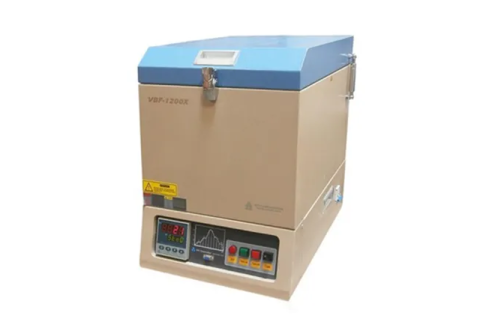
1. Pit-type resistance furnace. The pit-type resistance furnace is a cyclically operated furnace suitable for the heat treatment of bars and long shaft parts. It is mainly used for quenching, tempering, annealing and other heat treatment of steel parts in an oxidizing atmosphere.
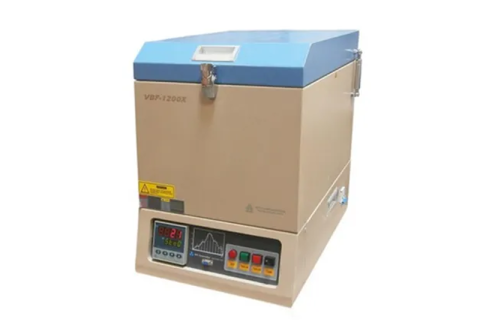
Common heating elements for a high temperature laboratory furnace include resistance wire, silicon carbide rods, and molybdenum disilicide rods. Each type has a different temperature tolerance, which directly affects the furnace’s safety and service life. To ensure long-term, stable operation, the recommended continuous working temperature is usually set lower than the element’s maximum temperature to avoid overheating and premature aging. When selecting a furnace, it is important to match the heating element and furnace specifications to both the required maximum temperature and the actual long-term operating temperature of the experiment.
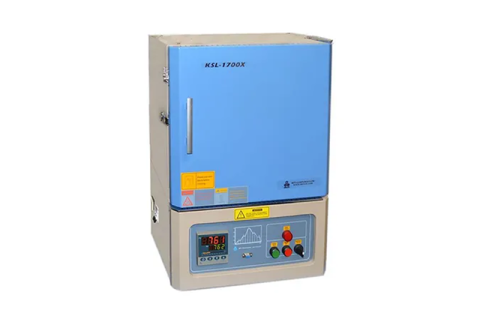
High temperature laboratory furnaces are easy to operate: equipped with a clear control panel (knobs, buttons, or touchscreen), and some models support PLC control. Multiple safety features: Overtemperature alarm and power-off protection: Automatically alarms and shuts off the heating power when the temperature exceeds the set value;
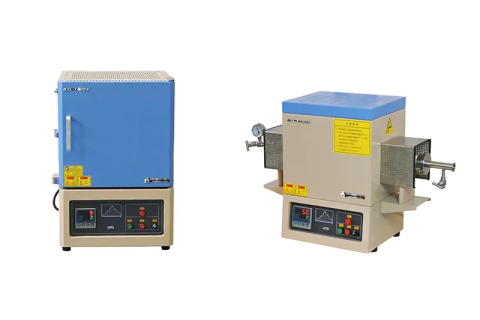
Sandpaper is not recommended for routine cleaning of tube and box furnaces, as it may scratch the furnace surface, affecting performance and lifespan. The correct cleaning method involves using a soft cloth or sponge with a dedicated cleaning agent.